Banking Choices Affecting Incentive Availability Across Licensed Mobile Gambling Platforms
Written by Eden Wagner · Aug 23, 2026
Banking Choices Affecting Incentive Availability Across Licensed Mobile Gambling Platforms
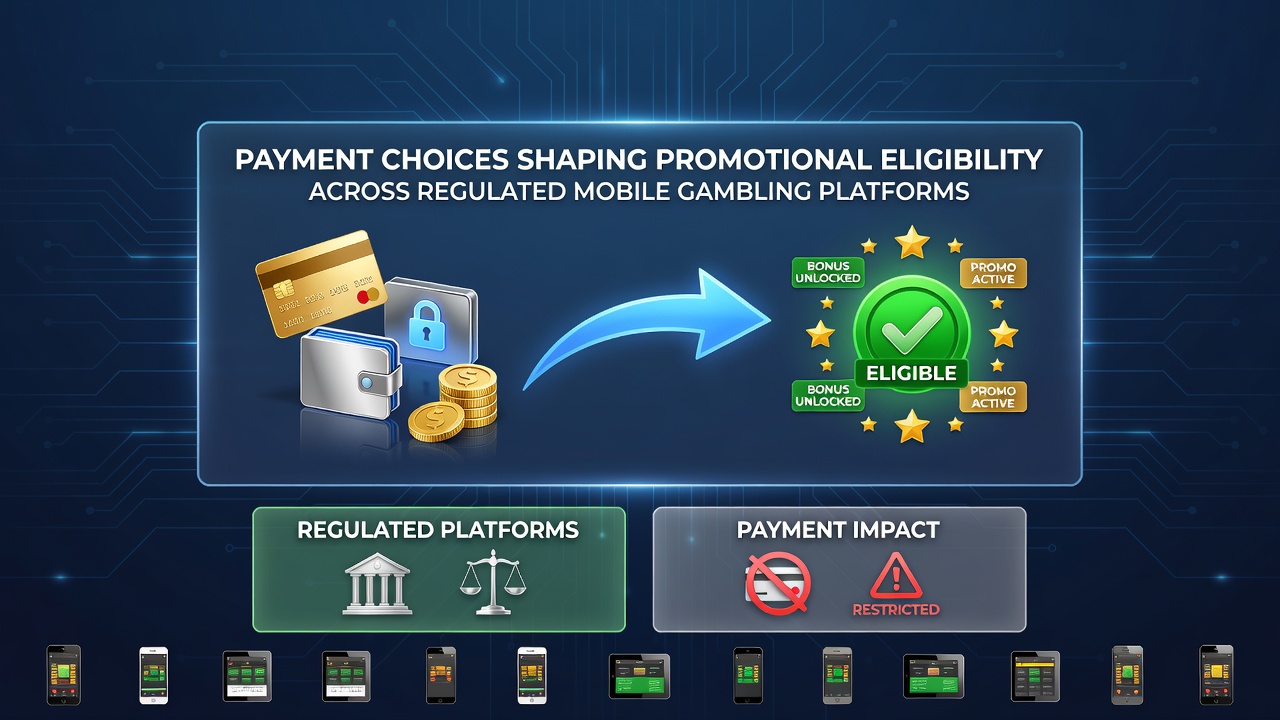
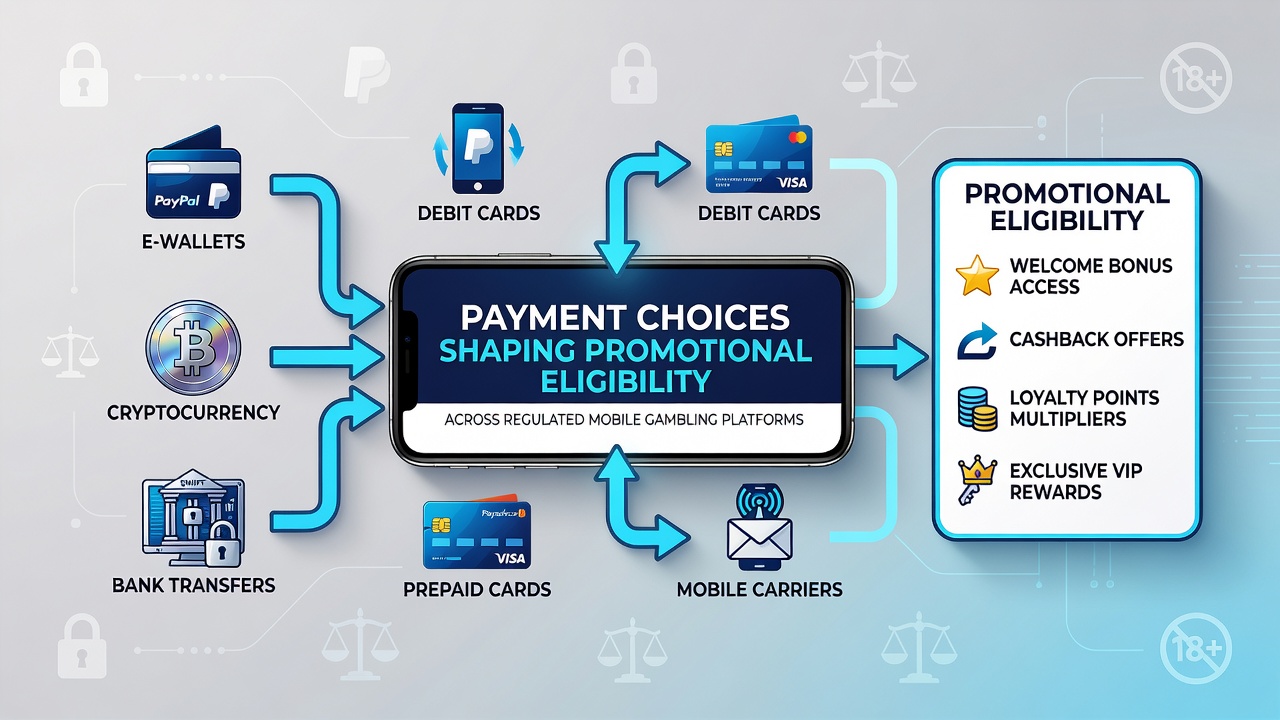
Regulators across multiple jurisdictions maintain strict oversight on deposit methods that qualify for promotional offers in mobile gambling environments, and this framework continues to evolve as of August 2026. Payment selections directly determine whether users gain access to deposit matches, free bets, or loyalty rewards because licensing bodies require operators to verify fund sources before any bonus activates. Those who study these systems note that credit card deposits often trigger different eligibility rules compared to bank transfers or digital wallets in states with active sports betting markets. Operators must align their promotional structures with both federal banking guidelines and individual state statutes that govern transaction types. Electronic funds transfers processed through automated clearing houses frequently receive approval for bonus participation because they provide clear audit trails, whereas certain prepaid card options face restrictions in several regulated markets. Research from industry monitoring groups shows that platforms adjust these parameters monthly to stay compliant, with changes appearing most often in jurisdictions that updated their rules during the first half of 2026.Regional Variations in Payment Approval Standards
State-level gaming commissions enforce distinct criteria that tie specific banking methods to promotional eligibility. In markets where mobile apps operate under tight licensing, users who select approved ACH transfers typically unlock full bonus potential, while cryptocurrency deposits remain unavailable for rewards in most U.S. locations. Observers note that these differences create layered experiences for players who move between states, as the same payment option may qualify for incentives in one region yet fall outside eligibility criteria in another.
Canadian provincial regulators apply similar scrutiny through their oversight of online platforms, where Interac e-transfers often receive preferential treatment for bonus activation compared to international card networks. European authorities outside the United Kingdom have implemented parallel requirements that favor established banking rails over emerging fintech solutions when promotional offers involve deposit requirements. Data collected by trade associations indicates that operators spend considerable resources mapping these regional differences to avoid violations that could result in fines or license reviews.
Technical Integration Challenges for Operators
Payment processors must integrate verification layers that flag transactions before bonuses apply, and this process adds complexity to app development cycles. Systems detect high-risk payment types and route them away from promotional pools automatically, which reduces manual review needs while maintaining compliance. Those who analyze platform updates report that several major operators rolled out enhanced payment filters in July 2026 to address new guidance issued by multiple state agencies.
Impact on User Behavior and Platform Design
Players who understand these payment-based restrictions often adjust their deposit habits accordingly to maximize available incentives. Surveys conducted by research institutions reveal that users in regulated markets prefer methods that consistently unlock full promotional value, which influences how apps present payment options during onboarding. Platforms respond by highlighting approved methods more prominently in deposit menus while placing restricted options behind additional disclosure screens.
Financial institutions also play a role because some banks apply their own policies that interact with gambling regulations. Certain credit card issuers block transactions to mobile gambling accounts entirely, which removes those payment paths from bonus consideration before regulatory rules even apply. This creates situations where technical availability and promotional eligibility diverge based on upstream banking decisions rather than operator policy alone.
Compliance Reporting and Audit Requirements
Licensed operators submit regular reports that detail which payment methods contributed to bonus redemptions, and regulators review these records to confirm adherence to state-specific statutes. The process requires detailed categorization of transactions by method and jurisdiction, with discrepancies triggering further examination. Figures from oversight bodies show increased audit activity during 2026 as more states expanded their mobile gambling frameworks and needed to verify that promotional systems matched approved payment lists.
International examples provide additional context because Australian state regulators and several Canadian provinces maintain public databases that list approved payment processors for promotional use. Operators reference these resources when expanding into new markets to avoid misaligning their bonus structures with local expectations. Academic studies on gambling regulation highlight that transparent payment rules reduce enforcement actions while supporting responsible growth in licensed environments.
Conclusion
Payment method selection remains a central factor in determining promotional access within regulated mobile gambling platforms because licensing conditions tie bonus eligibility directly to transaction verification standards. Different jurisdictions apply unique criteria that operators must track and implement through technical controls, and these requirements continue to shift as new guidance emerges. Users who select banking options aligned with regional rules gain consistent access to incentives, while platforms invest in systems that enforce compliance across multiple markets simultaneously. The structure of these rules reflects ongoing coordination between financial oversight, gaming commissions, and industry participants working within established legal boundaries.