Casino Floor Designs Dictate Digital Bonus Rules in Licensed Regions
Written by Kai Simon · Jun 2, 2026
Casino Floor Designs Dictate Digital Bonus Rules in Licensed Regions
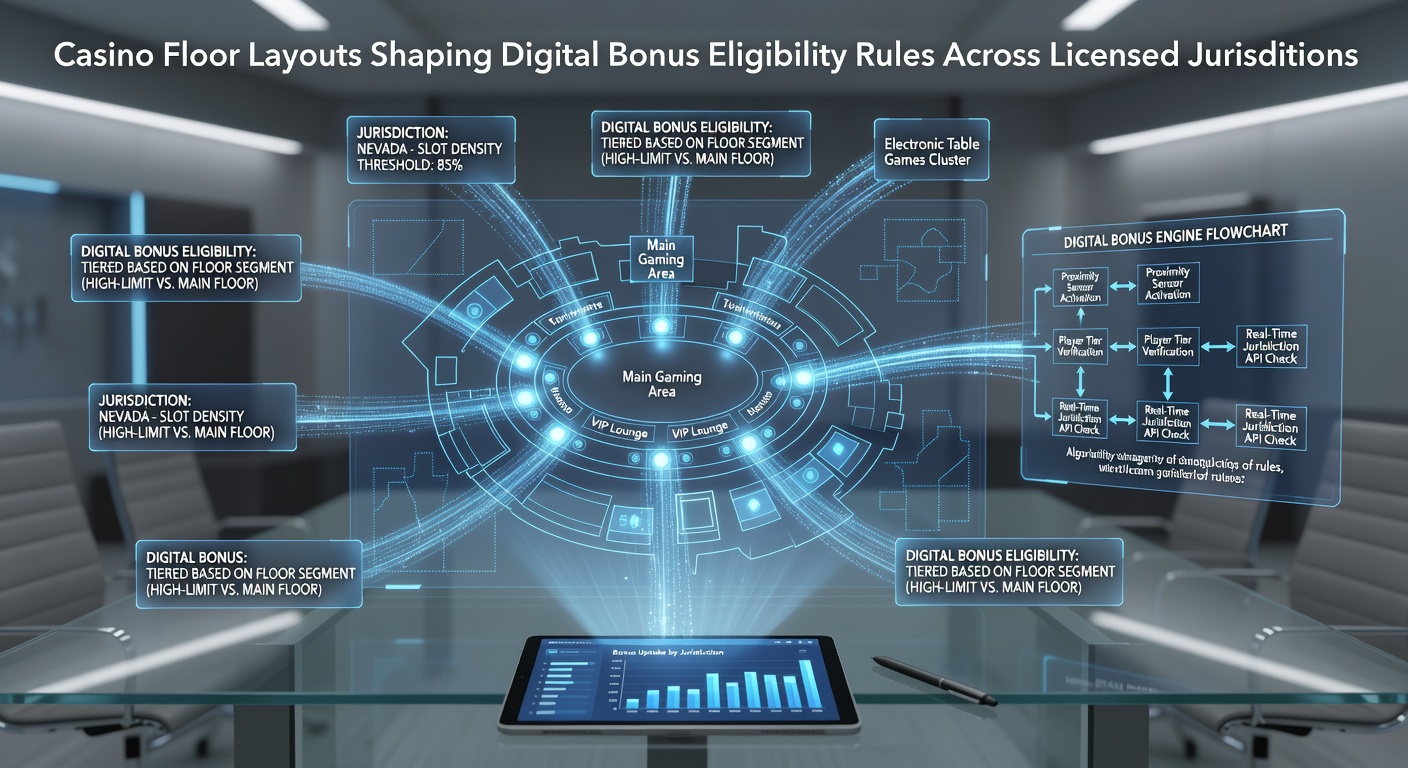
Physical casino layouts have become central to how operators define eligibility for digital bonuses in multiple licensed markets, and regulators track these designs closely because floor arrangements directly affect player tracking systems that verify location and activity requirements. In jurisdictions where online and land-based operations overlap, bonus rules often tie promotional access to specific physical zones such as high-limit rooms, slot banks near entrances, or table game pits that contain embedded sensors. Data from licensing bodies shows these spatial requirements emerged as a compliance tool after operators began merging digital accounts with on-site visits.
Regulatory Frameworks Linking Space to Eligibility
Multiple authorities require operators to map floor plans in detail before approving any bonus program that blends digital and physical elements, and these maps must demonstrate clear boundaries that geofencing technology can enforce. Nevada regulators, for instance, have updated verification standards that demand operators submit updated diagrams whenever they reconfigure gaming areas, since even minor shifts in machine placement can alter which players qualify for online incentives. Similar documentation rules appear in Canadian provinces where iGaming Ontario reviews layout submissions alongside bonus terms to confirm that eligibility zones match approved footprints. Observers note that this paperwork process now includes digital overlays showing how mobile apps detect presence within designated squares on the floor plan.
Layout Elements That Trigger Bonus Conditions
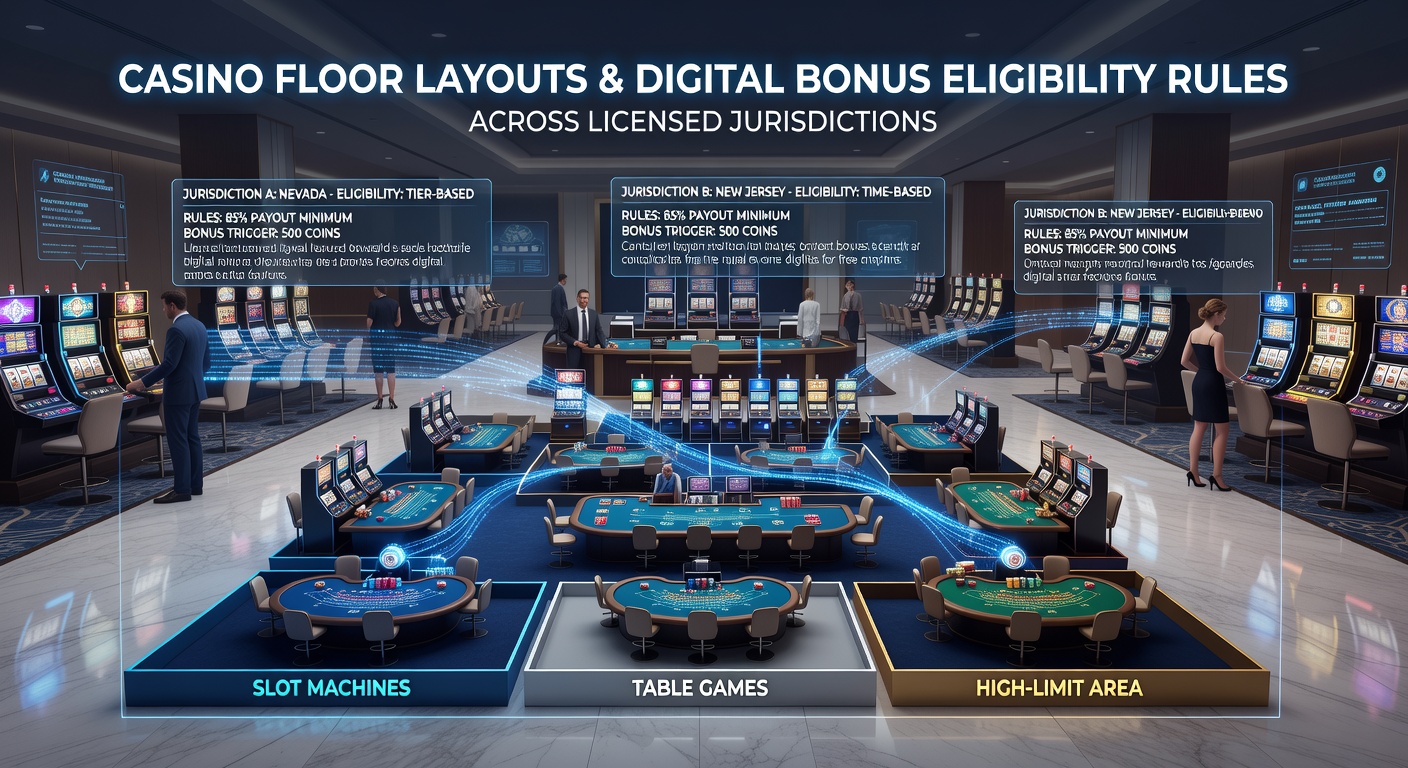
Design features such as clustered machine banks, raised gaming pits, and transitional walkways serve as natural checkpoints that systems use to confirm player activity, and operators program these points into eligibility algorithms. A player might need to register activity at a specific bank of video poker machines located against a back wall before unlocking a deposit match available through the companion app, while another jurisdiction might require time spent in a designated lounge area equipped with location beacons. Research indicates that these checkpoints reduce bonus abuse because they create verifiable trails that combine physical movement records with digital account data. In several markets, floor plans now incorporate color-coded zones where only activity logged inside green-marked sections counts toward bonus thresholds.
Jurisdictional Variations Emerging in Mid-2026
By June 2026, differences across regions had grown more pronounced as authorities responded to operator requests for clearer guidance on mixed-use properties. In one Australian state, rules require that bonus-eligible areas occupy at least thirty percent of total gaming floor space and remain physically separated from non-gaming amenities, while certain European markets allow overlapping zones provided operators install additional monitoring cameras. North American examples show state gaming commissions examining how entrance placement affects walk-in traffic that later converts to digital bonus claims. These variations create operational challenges for companies operating across borders because a layout approved in one location may fail review in another. Industry reports highlight that operators now maintain multiple floor plan versions tailored to each jurisdiction's specific spatial criteria.
Technology Integration With Physical Design
Sensors embedded in flooring, ceiling-mounted readers, and table-side devices feed real-time data into central systems that cross-reference physical presence against bonus rules, and operators have invested heavily in these networks to maintain compliance. The technology allows dynamic adjustment of eligibility boundaries when layouts change, yet regulators still require advance notification and re-approval for any modification that shifts zone coordinates. Studies from gaming technology providers reveal that integration success depends on precise alignment between architectural drawings and digital mapping layers, since even small discrepancies can trigger audit flags. Players often discover that their bonus progress stalls if they remain outside mapped boundaries for extended periods, illustrating how tightly the physical and digital systems now connect.
Compliance Challenges and Operator Adaptations
Operators face ongoing adjustments as licensing bodies refine expectations around floor usage data, and many have created dedicated compliance teams responsible for monitoring layout integrity across properties. Training programs teach floor staff to recognize when player movement patterns risk violating bonus terms, while software dashboards display live zone status for management review. According to figures released by the American Gaming Association, properties that invested early in integrated tracking reported fewer compliance incidents during recent review cycles. Those who've studied these systems know that successful adaptation requires coordination between architects, IT specialists, and regulatory liaisons from the initial design phase onward.
Conclusion
Casino floor layouts continue to shape digital bonus eligibility across licensed jurisdictions because regulators treat physical space as a reliable verification mechanism that complements electronic tracking. The interplay between architectural decisions and promotional rules has produced a landscape where operators must balance design flexibility against strict spatial requirements. As markets evolve, the connection between floor plans and bonus access shows no sign of loosening, since both sides benefit from the clarity these defined zones provide.