Expanded 2026 World Cup Emerges as Key Opportunity for U.S. Sportsbooks Facing Slow Growth
Written by Kai Simon · Jun 14, 2026
Expanded 2026 World Cup Emerges as Key Opportunity for U.S. Sportsbooks Facing Slow Growth
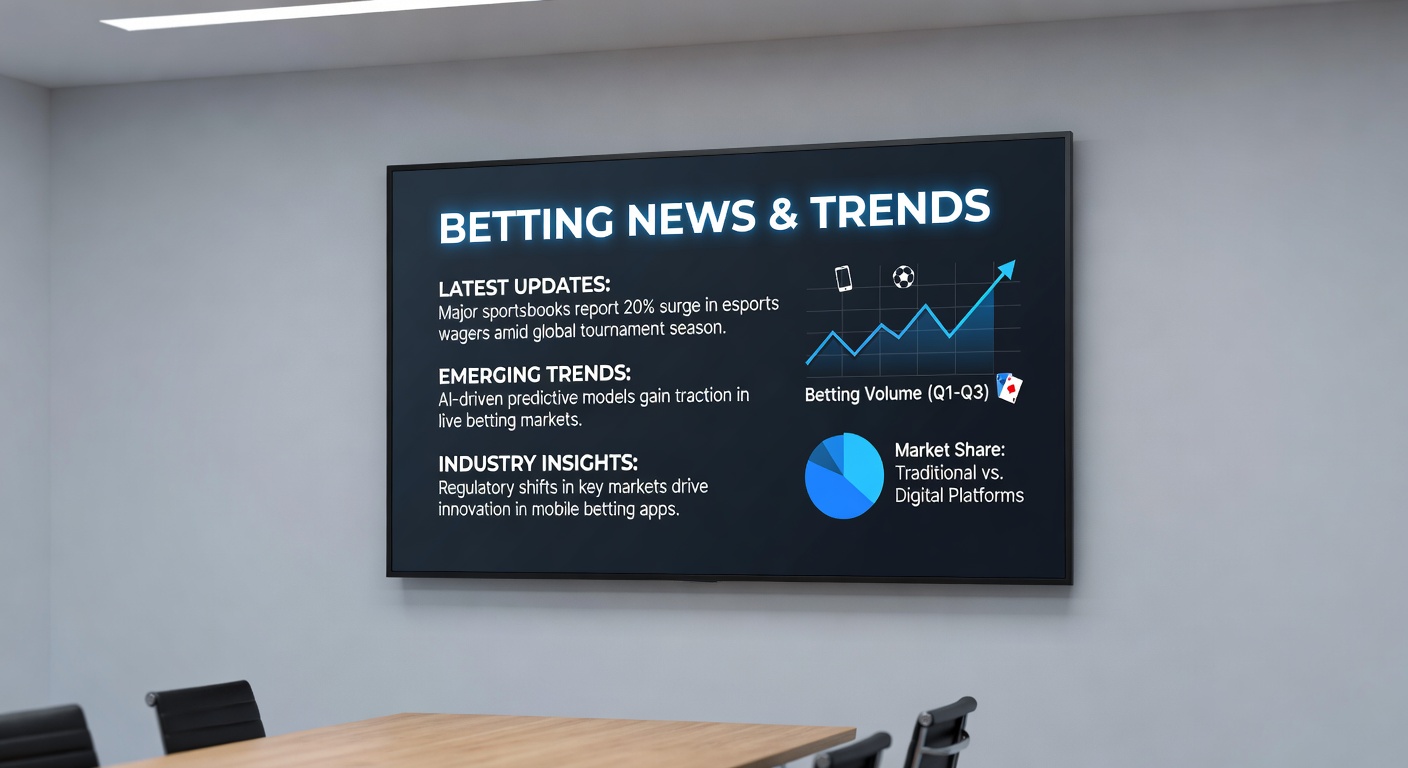
Sluggish expansion in the U.S. sports betting sector has prompted leading platforms such as FanDuel and DraftKings to direct attention toward the 2026 FIFA World Cup, an event set to unfold across multiple North American venues with full mobile wagering access throughout legal states. The tournament arrives at a moment when domestic handle growth has moderated, yet projections position it as a significant driver of activity. Data shows U.S. online sportsbooks stand to generate $4.4 billion in handle during the competition, a marked increase from the $1.8 billion recorded in 2022, while worldwide wagers could climb into the tens of billions according to available forecasts.
June 2026 marks the scheduled start of this expanded edition, which features more participating nations and additional matches compared with prior cycles. Observers note that the combination of widespread smartphone betting availability and heightened global interest creates conditions for elevated participation levels, particularly in states where operators already maintain established user bases.
Market Conditions Prompting Strategic Focus
Recent quarters have shown tempered pace in U.S. sports betting expansion, with several major operators adjusting expectations downward amid softer-than-anticipated customer acquisition and retention figures. This environment has led FanDuel and DraftKings to identify the upcoming World Cup as a potential inflection point capable of reversing short-term trends through concentrated promotional activity and expanded market offerings. The event spans an extended schedule, allowing sustained engagement across group stages, knockouts, and final matches that draw audiences from diverse regions.
Analysts tracking industry metrics point out that prior international tournaments delivered measurable lifts in handle, yet the 2026 edition benefits from structural advantages unavailable during the 2022 cycle. Full mobile integration across permitted jurisdictions removes previous friction points, enabling real-time betting from locations where users already conduct daily transactions.
Projected Handle Figures and Industry Context
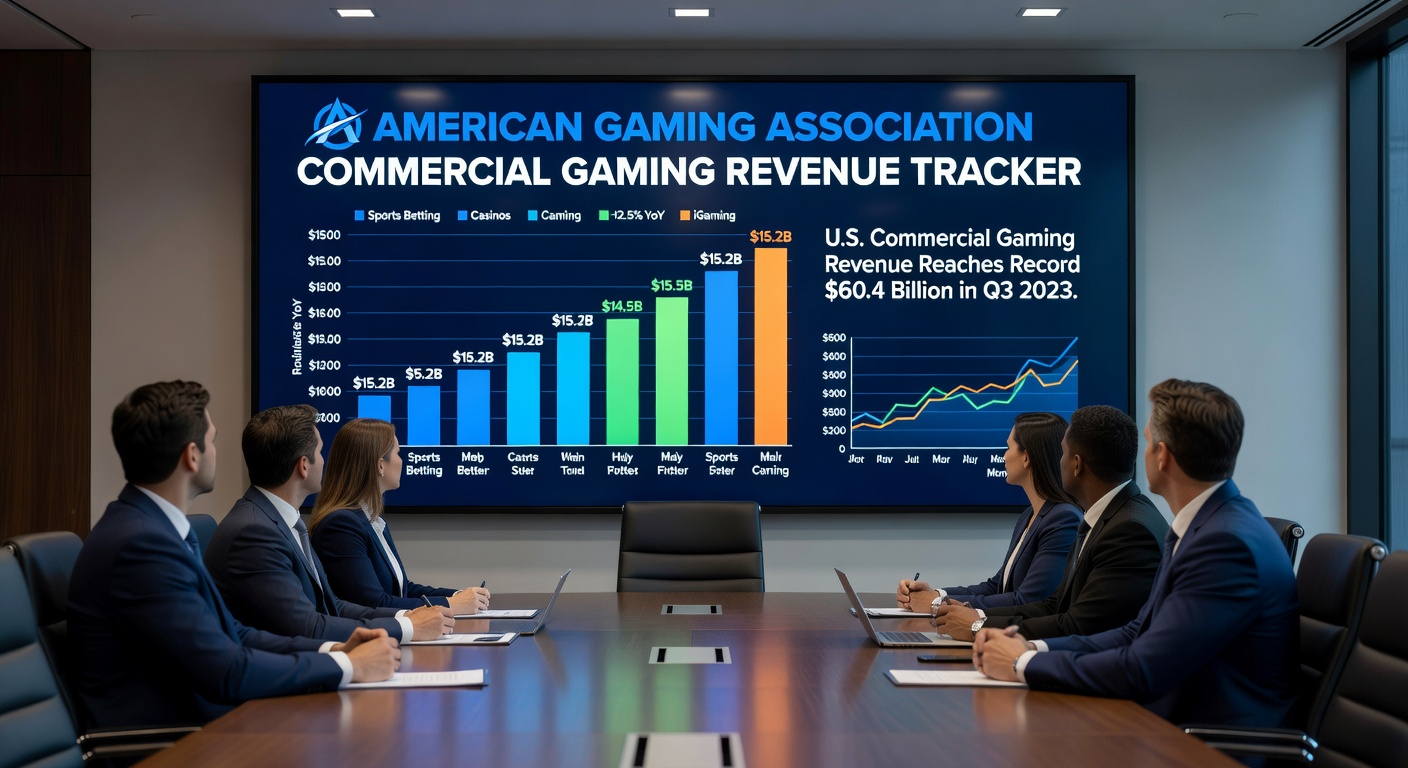
Forecasts compiled ahead of the tournament place U.S. handle at $4.4 billion, representing more than double the volume seen four years earlier. Global figures are expected to reach tens of billions when including regulated and unregulated markets outside North America. These estimates factor in both traditional match-winner bets and an expanded array of in-game options that mobile platforms can deliver instantaneously to account holders.
Operators have begun outlining campaign timelines that align with the tournament calendar, incorporating targeted incentives designed to increase deposit frequency and session length. Historical patterns from other major events indicate that such periods often produce elevated average revenue per user, though sustained effects depend on retention strategies implemented after the final whistle.
Operational Advantages Unique to 2026
The designation of this tournament as a pivotal product moment stems directly from the maturation of the U.S. regulatory landscape since 2022. Mobile apps now operate without geographic restrictions inside state borders, permitting continuous access for users who previously encountered limitations during peak viewing windows. This technical readiness allows platforms to surface live odds, cash-out features, and parlay constructions tailored to the rhythm of World Cup matches.
Multiple jurisdictions have maintained consistent tax and compliance frameworks that support uninterrupted service, reducing the risk of service interruptions that could dampen volumes. Companies have invested in backend infrastructure to handle traffic spikes, with testing protocols already underway to ensure stability when matches occur in overlapping time zones.
Global Reach and Domestic Implications
While U.S. projections receive primary attention from domestic operators, the worldwide scope of the event extends influence to international audiences whose betting activity can indirectly affect liquidity and market depth on shared platforms. Cross-border interest in North American-hosted matches tends to generate additional handle on U.S.-regulated books when those contests feature prominent teams or storylines.
Stakeholders continue to monitor regulatory developments in states still evaluating legalization, since any new market openings before or during the tournament could further amplify totals. The current base of active accounts, however, already provides sufficient scale for the anticipated uplift.
Conclusion
The 2026 FIFA World Cup therefore functions as a concentrated test of whether expanded mobile capabilities and an extended match schedule can translate into record-setting handle figures despite the slower underlying growth trajectory observed in recent periods. Operators have aligned resources accordingly, positioning technology and marketing efforts to capitalize on the window when public attention peaks across both domestic and international audiences.