Financial Oversight Mechanisms Tailor Incentive Programs in Multi-State Mobile Wagering Applications
Written by Eden Wagner · Jul 26, 2026
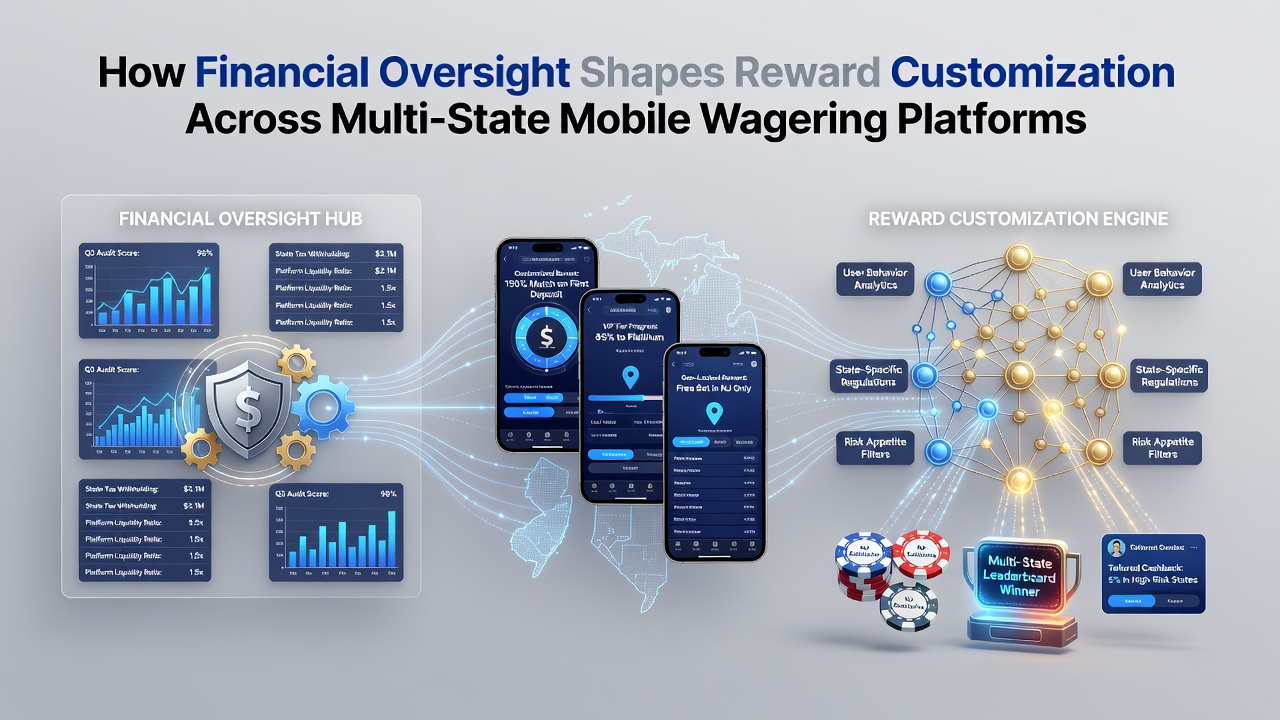
Financial Oversight Mechanisms Tailor Incentive Programs in Multi-State Mobile Wagering Applications
Financial oversight from banking regulators and state gaming commissions creates distinct rules for how mobile wagering platforms structure rewards, deposits, and bonus eligibility when users cross state lines. These requirements stem from anti-money laundering statutes, payment processing standards, and consumer protection measures that vary by jurisdiction, forcing operators to adjust promotional offers in real time.
Data from industry reports shows that platforms must segment user accounts by location because certain payment methods trigger different compliance checks in each state, which in turn limits or expands the types of rewards available. Observers note that this segmentation affects everything from welcome bonuses to ongoing loyalty points, as financial institutions impose stricter verification on transfers originating from states with tighter banking oversight.
State-Level Banking Rules and Their Direct Impact on Bonuses
Operators customize reward structures because individual states enforce unique thresholds for deposit verification and withdrawal timelines, which directly influence what incentives can be offered without violating local statutes. In states with heightened scrutiny on electronic fund transfers, platforms often restrict bonus matching offers to approved payment processors only, while other regions permit broader options tied to lower compliance costs.
Research indicates that these variations emerged more clearly after expanded licensing in 2024 and continued into July 2026, when several multi-state operators updated their systems to align with revised federal guidelines on digital payments. Those updates resulted in region-specific reward tiers that reflect the cost of maintaining compliant banking relationships in each market.
Payment Processor Requirements Across Jurisdictions
Approved payment processors must meet standards set by both state regulators and federal banking agencies, which means reward customization often depends on which financial partners an operator can use in a given state. Platforms frequently limit certain deposit bonuses to users who select processors already cleared for high-volume transactions under those rules.
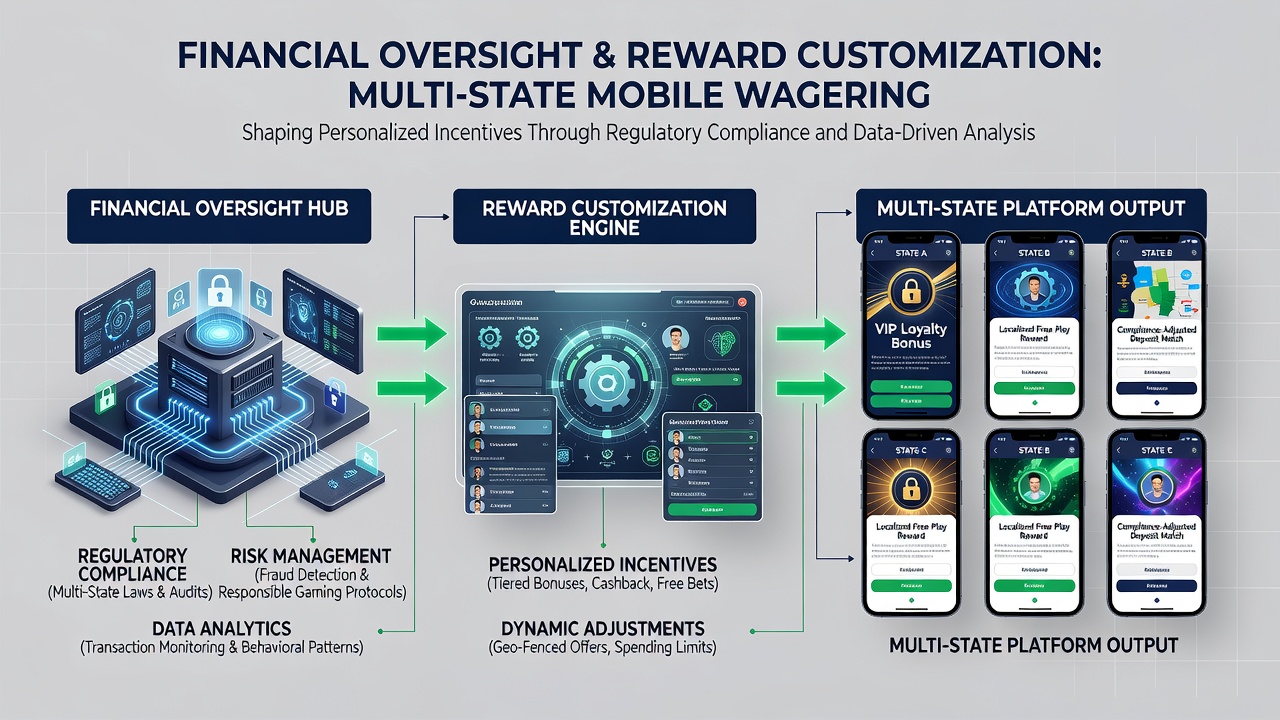
Figures from regulatory filings reveal that operators who maintain partnerships with multiple processors gain flexibility in reward design, whereas those relying on fewer options must narrow the scope of promotions to stay within approved channels. This dynamic explains why identical apps display different bonus menus depending on a user's detected location.
Compliance Costs and Resulting Reward Adjustments
Compliance expenses tied to ongoing monitoring and reporting push platforms to calibrate rewards so that higher-value incentives appear only in states where the per-user regulatory burden remains manageable. Data shows that loyalty programs, for instance, often cap point redemption rates differently by state to offset the added costs of transaction auditing required in stricter oversight environments.
One study revealed that companies operating in five or more states implemented automated tools by mid-2026 to recalculate eligible rewards based on real-time location and payment history, reducing the risk of offering incentives that conflict with local financial rules. These tools connect directly to banking compliance databases, ensuring that reward offers update before users complete deposits.
Examples of Customized Structures in Practice
Take one operator that adjusted its deposit-match promotions after regulators in two states required enhanced source-of-funds checks on certain digital wallets. The company responded by offering smaller initial bonuses in those markets while maintaining larger matches elsewhere, all while keeping the same app interface for users. Another case involved a platform that introduced state-specific cashback percentages after its primary processor flagged elevated risk scores in particular jurisdictions.
Those who've studied these adjustments note that the changes rarely alter the core betting experience but reshape the financial incentives layered on top, creating a patchwork of offers that users encounter as they move between states.
Conclusion
Financial oversight continues to determine the precise shape of reward programs on multi-state mobile wagering platforms through its control over acceptable payment flows and compliance thresholds. Operators respond by building location-aware systems that align incentives with the banking regulations active in each market, resulting in tailored experiences that reflect both state and federal requirements. As licensing expands and payment technologies evolve, these connections between oversight and customization remain central to how platforms operate across jurisdictions.