How Financial Transfer Protocols Shape Customized Reward Eligibility Across State-Regulated Digital Wagering Platforms
Written by Otto Simmons · Aug 18, 2026
Payment Protocols Determine Customized Rewards in Regulated Digital Wagering Environments
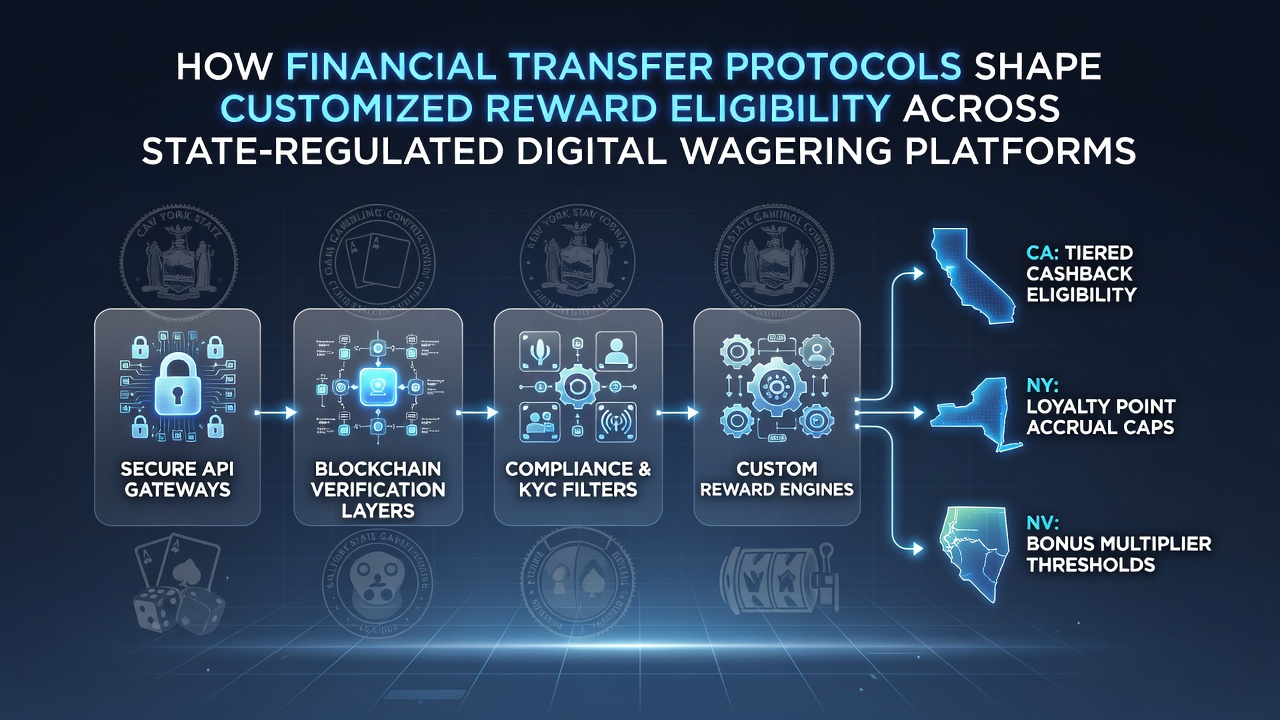
State-regulated digital wagering platforms rely on financial transfer protocols to verify deposits and determine which users qualify for specific promotional offers, with variations arising from each jurisdiction's banking oversight and anti-money laundering requirements. These protocols encompass standardized methods for moving funds such as automated clearing house transfers, wire services, and digital wallet integrations that platforms must align with state licensing conditions before unlocking bonus structures. Observers note that protocols function as gatekeepers because they carry embedded compliance checks that flag transaction sources and amounts in real time. When a user initiates a deposit through an approved channel, the system cross-references the payment trail against state-specific rules on minimum deposit thresholds adn source-of-funds verification. Platforms then apply these flags to sort eligible rewards, restricting certain sign-up bonuses or reload offers to transactions that meet documented criteria. Data from industry reports indicates that states like New Jersey and Pennsylvania maintain distinct protocol layers for electronic funds transfers, requiring platforms to segment user accounts by payment origin before any promotional credit appears. One study revealed that ACH transfers often trigger faster eligibility reviews compared with credit card deposits because the former carry clearer routing information that satisfies state auditors more readily. This distinction shapes how operators configure reward tiers across their apps, with some states allowing broader access to loyalty multipliers tied to verified bank transfers while limiting instant-bonus options funded by card payments.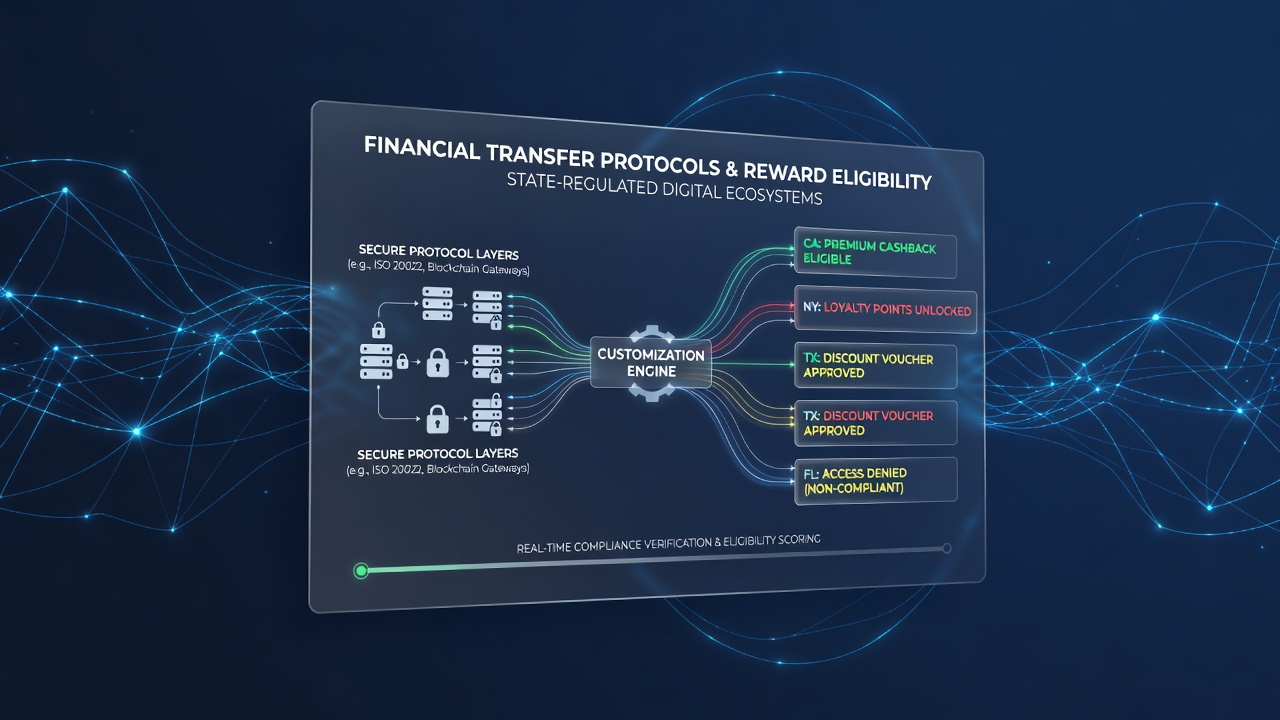 What's interesting is how August 2026 updates to certain state banking integration rules have prompted several major platforms to recalibrate their reward algorithms. Reports indicate that new protocol requirements around recurring transfer documentation led to temporary pauses in some loyalty programs until systems could confirm compliance across all active user accounts. Those who've studied these adjustments note that platforms responded by expanding the range of approved transfer methods in states where regulators accepted additional verification layers, thereby restoring access to previously restricted offers.
State-regulated digital wagering platforms rely on financial transfer protocols to verify deposits and determine which users qualify for specific promotional offers, with variations arising from each jurisdiction's banking oversight and anti-money laundering requirements. These protocols encompass standardized methods for moving funds such as automated clearing house transfers, wire services, and digital wallet integrations that platforms must align with state licensing conditions before unlocking bonus structures. Observers note that protocols function as gatekeepers because they carry embedded compliance checks that flag transaction sources and amounts in real time. When a user initiates a deposit through an approved channel, the system cross-references the payment trail against state-specific rules on minimum deposit thresholds adn source-of-funds verification. Platforms then apply these flags to sort eligible rewards, restricting certain sign-up bonuses or reload offers to transactions that meet documented criteria. Data from industry reports indicates that states like New Jersey and Pennsylvania maintain distinct protocol layers for electronic funds transfers, requiring platforms to segment user accounts by payment origin before any promotional credit appears. One study revealed that ACH transfers often trigger faster eligibility reviews compared with credit card deposits because the former carry clearer routing information that satisfies state auditors more readily. This distinction shapes how operators configure reward tiers across their apps, with some states allowing broader access to loyalty multipliers tied to verified bank transfers while limiting instant-bonus options funded by card payments.State Variations in Protocol Enforcement
Regulatory bodies in different regions impose unique protocol standards that directly affect reward customization. Michigan's gaming control board, for instance, mandates enhanced verification steps for transfers exceeding certain thresholds, which in turn restricts access to high-value deposit-match promotions until full documentation clears. In contrast, West Virginia has streamlined certain wire protocols for in-state banks, enabling operators to extend free-bet credits more quickly to users who complete those specific transfers. Figures from regulatory filings show that platforms operating across multiple states must maintain separate protocol configurations for each license, creating customized reward menus that change based on the user's registered location. A researcher tracking these systems found that geo-specific protocol filters prevent users in stricter jurisdictions from claiming bonuses available to those in more permissive states, even when the same app handles both accounts. This segmentation ensures compliance while allowing operators to tailor incentive packages to local banking norms.Impact on User Eligibility and Platform Operations
Payment protocol requirements also influence how platforms structure ongoing promotions such as cashback or referral rewards. Transfers processed through regulated e-wallet services often receive priority in eligibility queues because those services already embed identity verification layers that align with state standards. Operators therefore design reward calendars that prioritize users who route funds through these pre-approved pathways, while users relying on less standardized methods encounter longer review periods or reduced bonus percentages.
What's interesting is how August 2026 updates to certain state banking integration rules have prompted several major platforms to recalibrate their reward algorithms. Reports indicate that new protocol requirements around recurring transfer documentation led to temporary pauses in some loyalty programs until systems could confirm compliance across all active user accounts. Those who've studied these adjustments note that platforms responded by expanding the range of approved transfer methods in states where regulators accepted additional verification layers, thereby restoring access to previously restricted offers.