Payment Gateways as Gatekeepers: How Funding Methods Unlock or Block State-Tailored Promotions in Digital Wagering Platforms
Written by Olivia Krüger · Aug 11, 2026
Payment Gateways as Gatekeepers: How Funding Methods Unlock or Block State-Tailored Promotions in Digital Wagering Platforms
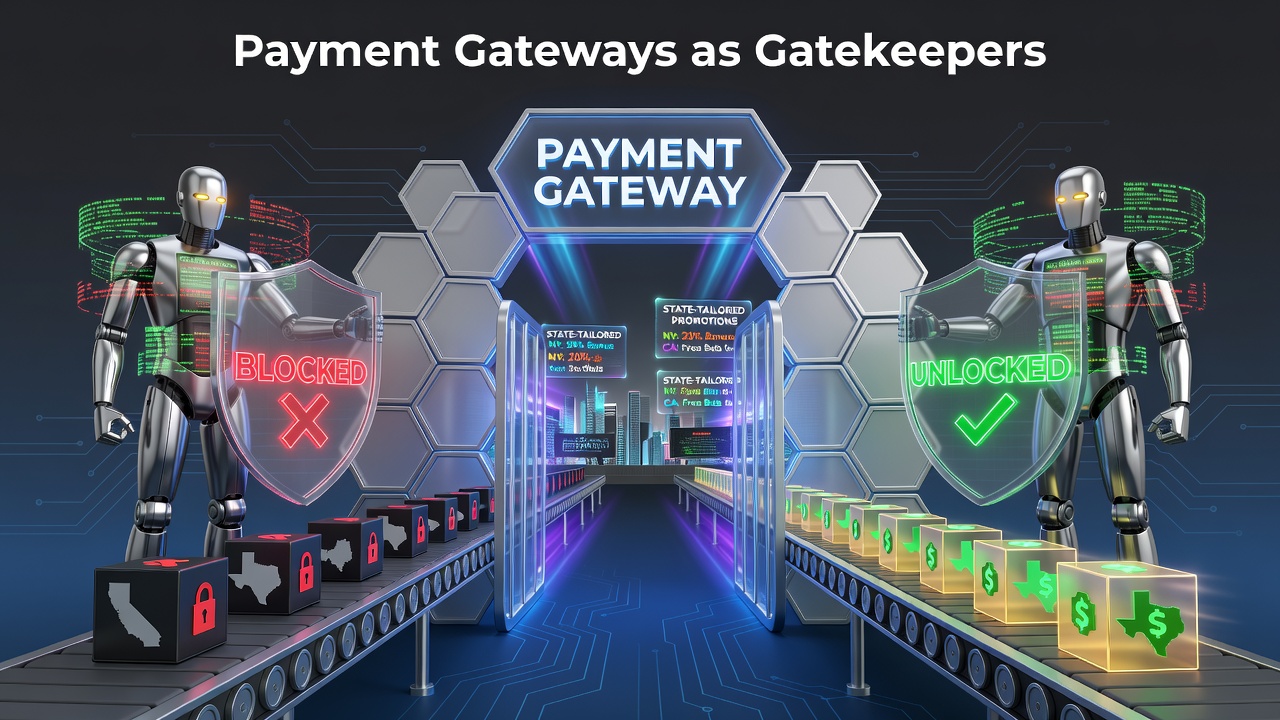
Payment gateways sit at the center of how users access promotions across digital wagering platforms, and their technical rules often decide which state-tailored offers become available. Operators design bonuses around regional statutes, yet the funding method a player selects can trigger automated checks that either approve or deny eligibility before the offer even appears in the account interface. Data from multi-state operators shows that ACH transfers and certain prepaid options clear these checks more reliably than credit card deposits in jurisdictions with strict deposit-source rules.
State Regulations Shape Funding Pathways
Each licensed state maintains distinct requirements for how operators verify deposit sources and tie them to promotional playthrough. In New Jersey, for instance, regulators require platforms to flag deposits from credit lines differently than bank transfers when calculating bonus eligibility, while Michigan applies its own standards around e-wallet funding that affect rollover calculations. Platforms therefore program their gateways to read the payment type alongside the user's geolocation and apply the matching state filter in real time.
Researchers at academic institutions tracking gambling technology have documented cases where a single payment rail blocks an entire category of regional incentives. One study examined transaction logs from operators active in five states and found that users funding accounts through cryptocurrency gateways encountered fewer promotional blocks in Pennsylvania than those using traditional card rails, because the crypto processors carried different compliance metadata that aligned with that state's verification protocols.
Gateway Logic Determines Promo Access
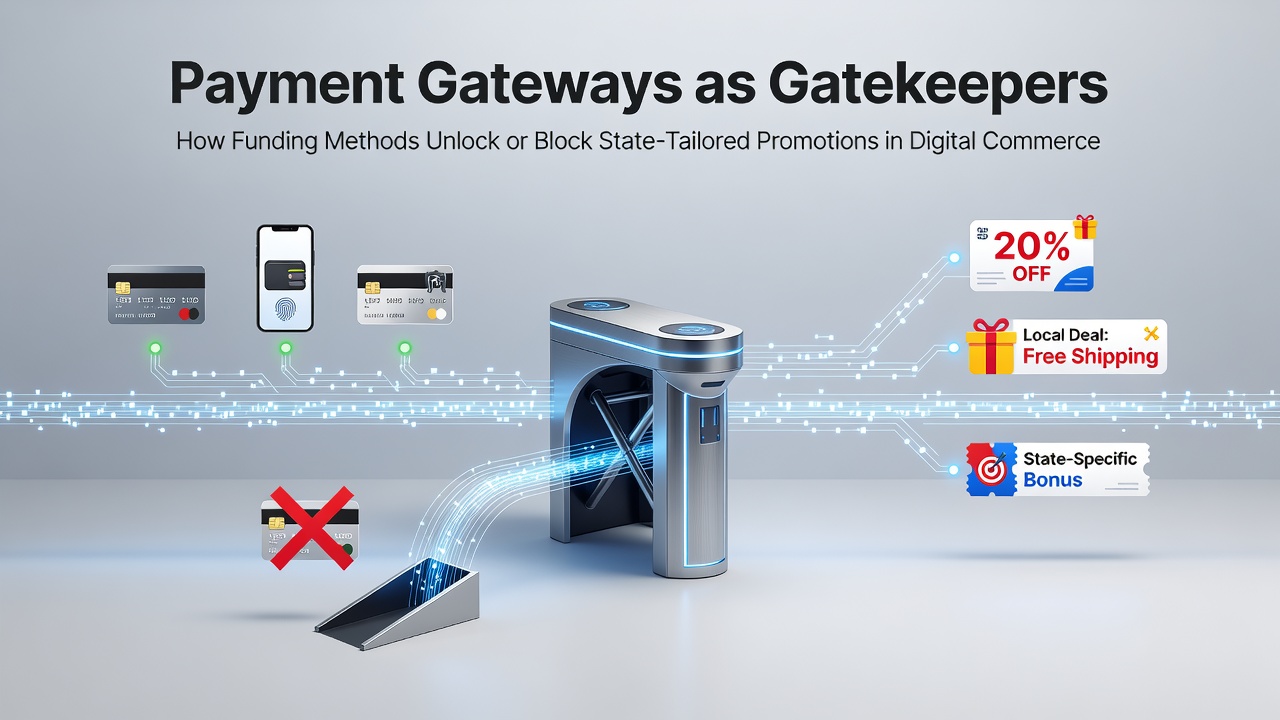
The decision tree inside most gateways evaluates several variables at once: account age, deposit amount, payment processor category, and the user's registered state. When the system detects a mismatch, such as a credit card deposit in a state that prohibits bonus funding from revolving credit, the gateway withholds the promotional code or voids the offer automatically. Observers note that this automated enforcement has grown more precise since operators expanded across additional jurisdictions in 2025.
August 2026 brought further updates to several state reporting systems, and platforms adjusted their gateway rules accordingly to maintain compliance while still surfacing eligible offers. Users in states that updated their deposit-source disclosure requirements saw temporary disruptions in bonus activation for certain funding methods until the processors completed recertification.
Processor Partnerships and Regional Compliance
Operators maintain relationships with multiple payment processors precisely because each processor carries different certifications across state lines. A processor approved for bonus-eligible transactions in one state may lack equivalent status in another, forcing the platform to route users toward an alternate rail or withhold the promotion entirely. Industry reports indicate that platforms with broader processor networks experience fewer instances of blocked state-specific offers.
Take the example of an operator serving both Ohio and Virginia: researchers found that users attempting to fund via certain digital wallet services triggered eligibility flags in Ohio that did not appear for the same wallet type in Virginia, because the wallet provider's compliance documentation differed between the two regulatory frameworks. The gateway simply followed the rule set tied to the detected location and payment metadata.
Player Experience and Technical Workarounds
Players who encounter blocked promotions often discover that switching funding methods restores access, yet this workaround requires understanding which rails align with their state's current statutes. Educational materials published by state regulatory bodies and trade associations help clarify these distinctions, although the information changes whenever processors update their certifications or states revise their rules. Those who track these shifts report smoother interactions with promotional offers after selecting pre-approved payment types during account setup.
External data sources, including reports from the National Conference of State Legislatures, document how legislative updates influence these technical requirements. Platforms respond by updating their gateway decision trees, which in turn affects which deposit options unlock regional incentives.
Future Adjustments in Gateway Design
Developers continue refining gateway systems to incorporate more granular state data and processor certifications. As additional jurisdictions finalize their regulatory frameworks, the number of variables each transaction must satisfy grows, yet the underlying goal remains consistent: match the funding method to the promotion rules that apply in the user's location. Industry organizations such as the American Gaming Association track these developments and publish summaries that operators use when recalibrating their systems.
Conclusion
Payment gateways function as the operational layer that translates state-specific promotion rules into real-time transaction decisions. Their configuration determines whether a deposit activates a tailored bonus or triggers a restriction, and operators adjust these systems whenever regulations or processor certifications change. The result is a dynamic environment where funding method selection directly influences which regional offers users can access.