Payment Processors Control How Betting Platforms Customize Rewards Across Legal Borders
Written by Kai Simon · Jul 21, 2026
Payment Processors Control How Betting Platforms Customize Rewards Across Legal Borders
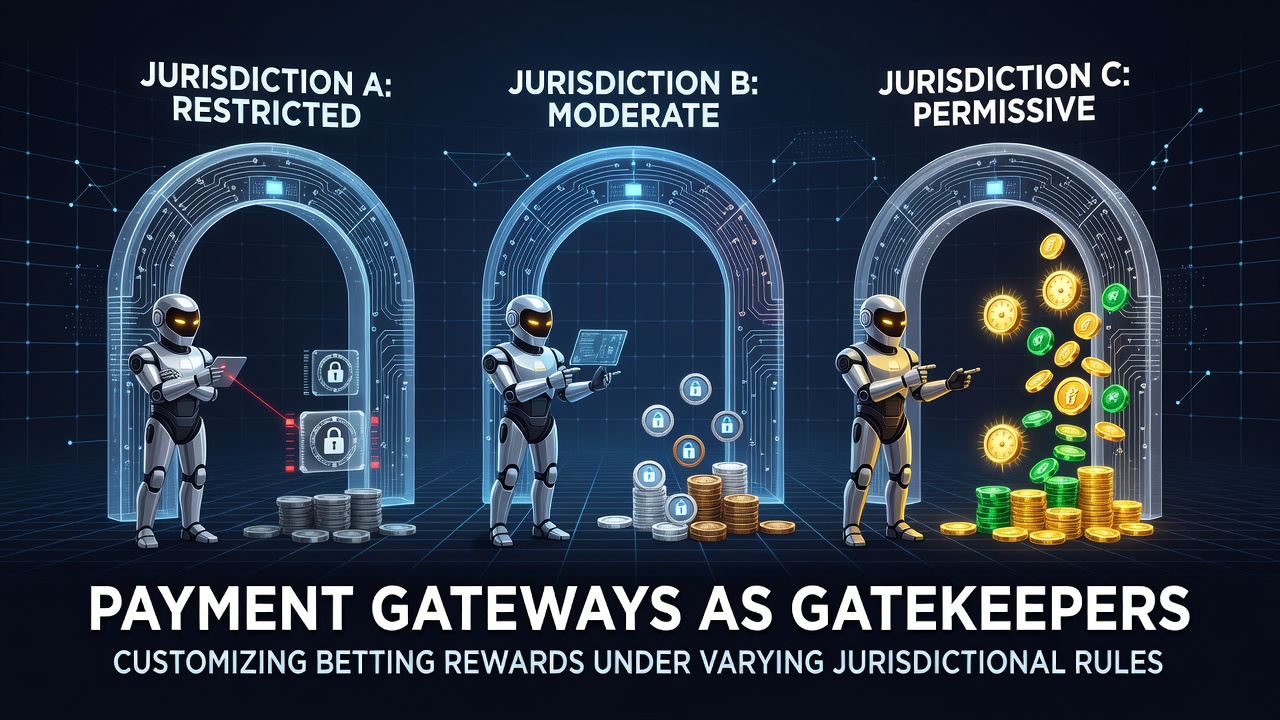
Payment gateways function as critical intermediaries that determine which promotional offers reach users in regulated betting markets, and they enforce these limits through automated compliance layers tied directly to each jurisdiction's statutes. Operators integrate these systems to flag and adjust bonuses based on real-time location data, transaction types, and regulatory updates that shift from one region to another.
Technical Mechanisms Behind Reward Customization
These processors embed rule engines that parse user location against state or national databases, then apply filters that either unlock or block specific incentives such as deposit matches, free bets, or loyalty multipliers. When a player attempts a transaction in a market with strict bonus caps, the gateway reroutes the request through a secondary verification module that recalibrates the offer before funds move.
Data from transaction logs shows that systems like these handle thousands of simultaneous checks per second during peak periods, and they log every adjustment for audit trails required by licensing bodies. In July 2026 operators reported incremental updates to these engines following new compliance bulletins from several oversight agencies that refined definitions of allowable promotional value.
Regional Variations in Gateway Enforcement
Across U.S. states the same gateway may permit percentage-based deposit bonuses in one market while restricting them to flat amounts in another because local statutes set different thresholds for promotional spend relative to handle. Similar patterns appear in Canadian provinces where processors align offers with provincial gaming authority guidelines that distinguish between sports and casino products.
Australian frameworks add another layer through requirements that gateways verify responsible gambling flags before releasing any reward, which forces platforms to segment user accounts by risk profile and then limit incentive tiers accordingly. European operators working under varying national rules see processors apply currency-specific caps that reflect each country's stance on bonus wagering requirements.
Case Examples of Gateway-Driven Adjustments
One major operator adjusted its welcome package in three adjacent states after its primary gateway flagged mismatches between proposed bonus structures and updated licensing conditions, resulting in differentiated reward tiers delivered through the same app interface. Another platform observed that certain e-wallet providers triggered automatic reductions in cashback percentages when users crossed into jurisdictions with tighter advertising standards.
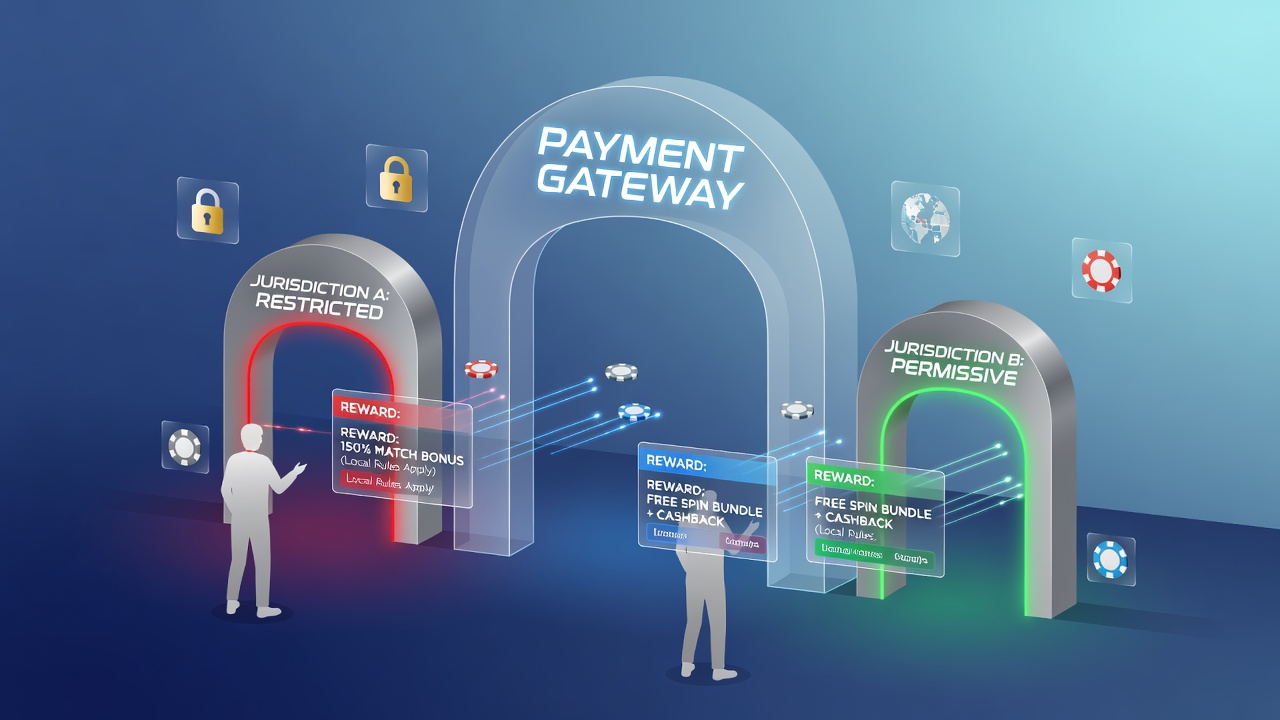
These adaptations occur without manual intervention because the gateways maintain live connections to regulatory feeds that push rule changes directly into the bonus calculation logic. Observers note that platforms relying on fewer gateway partners sometimes experience delays when multiple jurisdictions update rules simultaneously.
Integration Challenges for Multi-Jurisdiction Operators
Companies licensed in several markets must maintain parallel rule sets within each gateway connection, which increases both development overhead and testing cycles before new promotions launch. When a single transaction spans users in different regions the system defaults to the strictest applicable rule to avoid cross-border violations.
Industry reports indicate that payment processors now offer modular compliance add-ons that allow operators to toggle specific features such as geo-specific wagering multipliers or time-limited reward windows without rebuilding entire bonus engines. These modules reduce the time between regulatory announcements and live offer updates.
Future Developments in Gateway Capabilities
Emerging standards under discussion among technology providers and regulators focus on standardized APIs that would let gateways share compliance data across borders while preserving each jurisdiction's unique requirements. Early pilots conducted in 2026 demonstrated reduced reconciliation times between platforms and licensing authorities when these shared protocols were active.
Payment processors continue to expand their role beyond simple transaction routing by incorporating machine learning models that predict which reward configurations will satisfy both user expectations and statutory limits based on historical approval patterns. This predictive layer operates alongside traditional rule engines rather than replacing them.
Conclusion
Payment gateways have evolved into active gatekeepers that translate jurisdictional rules into executable reward parameters for betting platforms operating across multiple legal environments. Their technical infrastructure now determines the scope and timing of every customized incentive while maintaining audit-ready records for regulatory review. As new markets open and existing rules continue to evolve, these systems will remain central to how operators deliver compliant promotions without disrupting user experience.