Processor Partnerships Shape Incentive Distribution in Licensed Betting Regions
Written by Kai Simon · Jul 7, 2026
Processor Partnerships Shape Incentive Distribution in Licensed Betting Regions
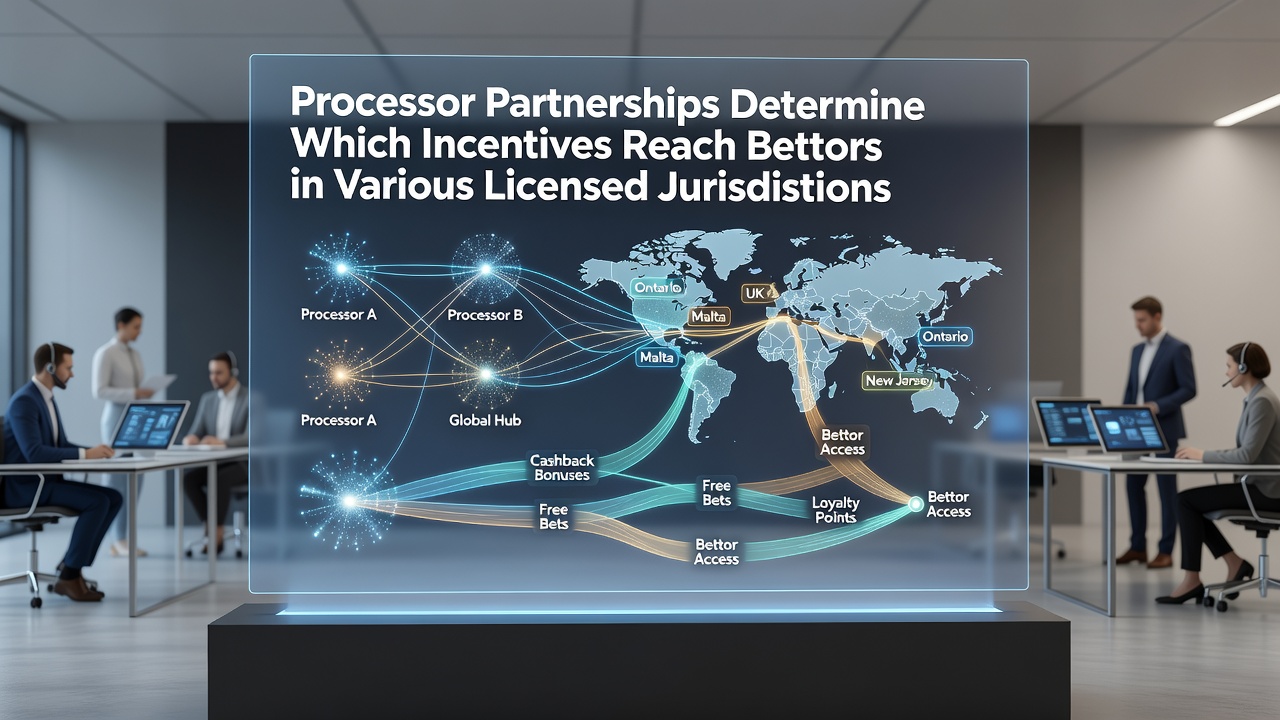
Payment processor partnerships play a central role in determining which promotional incentives reach bettors across different licensed jurisdictions, and these arrangements often depend on the specific banking regulations that govern each market. Operators work with financial technology firms and payment networks to navigate deposit and withdrawal rules that vary by state or province, and these partnerships directly influence the types of bonuses and rewards that platforms can advertise to users.
Regional Regulations and Processor Selection
Data from multiple regulatory bodies shows that licensed operators select processors based on compliance capabilities rather than marketing features alone. In markets where statutes restrict certain transaction types, partnerships with processors that offer specialized verification tools become essential. Those who've examined licensing applications across several states note that approval processes frequently require documentation of these banking relationships before any promotional campaigns can launch.
July 2026 brought additional scrutiny in several jurisdictions as regulators updated guidelines on digital wallet integrations, and operators adjusted their processor contracts accordingly. This shift affected how quickly new users could access sign-up incentives tied to initial deposits, since some processors required extra layers of identity confirmation under the revised rules.
Technical Infrastructure Behind Incentive Delivery
Processors maintain separate compliance modules for each jurisdiction they serve, which means the same sportsbook app might display different bonus structures depending on the user's location. One study revealed that these modules track transaction histories against state-specific thresholds, and this filtering prevents offers from reaching accounts that fall outside permitted parameters. Observers note that such systems reduce the risk of regulatory violations while allowing platforms to customize campaigns without rebuilding their entire backend for every market.
Case Examples from Multiple Markets
Take one operator active in both Midwestern and Northeastern states that partnered with two distinct processors to handle regional differences. In the first state, the processor supported instant deposit bonuses tied to certain payment methods, while in the second state, the same operator's other processor limited those same bonuses to verified bank transfers only. Bettors in each area therefore encountered different incentive menus even though they used the same platform brand.
Another example involves a Canadian provincial market where processors must integrate with government-approved payment rails, and these requirements determine whether loyalty rewards can be funded through promotional play or must come from cash deposits. Figures reveal that operators who maintain multiple processor relationships in such environments achieve broader incentive reach compared to those relying on single partnerships.
Impact on Bettor Access and Platform Strategy
Research indicates that users often discover incentive variations when they travel or change payment methods, and these differences stem directly from processor agreements rather than operator preferences. Platforms respond by publishing jurisdiction-specific terms that outline which rewards apply under each licensed framework, and this transparency helps maintain compliance while guiding bettors toward eligible offers.

What's significant is how these partnerships evolve when new payment technologies enter regulated markets. Processors that develop jurisdiction-aware APIs allow operators to roll out targeted campaigns more efficiently, and data shows faster approval times for promotions when the technical infrastructure already aligns with local banking statutes.
Future Developments in Processor Relationships
Industry reports from sources such as the Michigan Gaming Control Board highlight ongoing discussions about standardizing certain processor requirements across state lines. Meanwhile, research from academic centers studying gambling policy in Australia suggests that cross-border processor networks may simplify incentive delivery in the coming years, though each jurisdiction would retain final authority over which offers reach its residents.
Those monitoring these trends point out that processor partnerships continue to serve as the primary mechanism for matching promotional strategies with legal boundaries. As new states and provinces finalize their regulatory frameworks, operators expand their processor rosters to ensure incentives remain accessible where permitted and restricted where required.
Conclusion
Processor partnerships ultimately function as gatekeepers for incentive distribution in licensed betting regions, and their technical and compliance capabilities determine which rewards appear for bettors in any given jurisdiction. Ongoing updates to payment regulations, including those noted in July 2026, continue to shape how these relationships develop and which promotional structures operators can sustain across multiple markets.