Regulatory Approaches to Cryptocurrencies Forge Specialized Promotional Routes for Mobile Bettors
Written by Rafael Lehmann · Jun 25, 2026

Regulatory Approaches to Cryptocurrencies Forge Specialized Promotional Routes for Mobile Bettors
Digital asset regulations have begun reshaping how licensed operators structure incentives for mobile users in approved markets, creating pathways that blend blockchain compliance with wagering promotions while staying within jurisdictional boundaries. These frameworks emerged from broader financial oversight measures that treat cryptocurrencies as distinct from traditional banking channels, which in turn affects deposit bonuses, loyalty rewards, and withdrawal incentives tied to mobile platforms. Data from industry monitoring groups shows operators adjusting their promotional menus based on licensing conditions that explicitly address virtual currency flows, particularly in regions where sports betting apps gained approval after 2020.
Tracing the Development of Crypto-Specific Rules
Financial authorities in multiple jurisdictions started incorporating cryptocurrency provisions into gaming statutes around 2022, requiring operators to verify wallet addresses and maintain transaction logs that align with anti-money laundering standards. This process unfolded gradually, with regulators in places like parts of Canada and Australia issuing guidance that distinguished crypto deposits from fiat methods, thereby allowing apps to offer targeted deposit matches or fee-free conversions that traditional payment rails could not support. Observers note that these distinctions opened doors for promotions such as enhanced odds or cashback programs funded through stablecoin reserves, provided the operator maintains separate ledgers for regulatory audits. By early 2026, several states had updated their licensing agreements to include quarterly reporting on crypto volumes, which directly influenced the types of time-limited bonuses operators could advertise to mobile bettors.
Mechanics of Promotional Customization Under Oversight
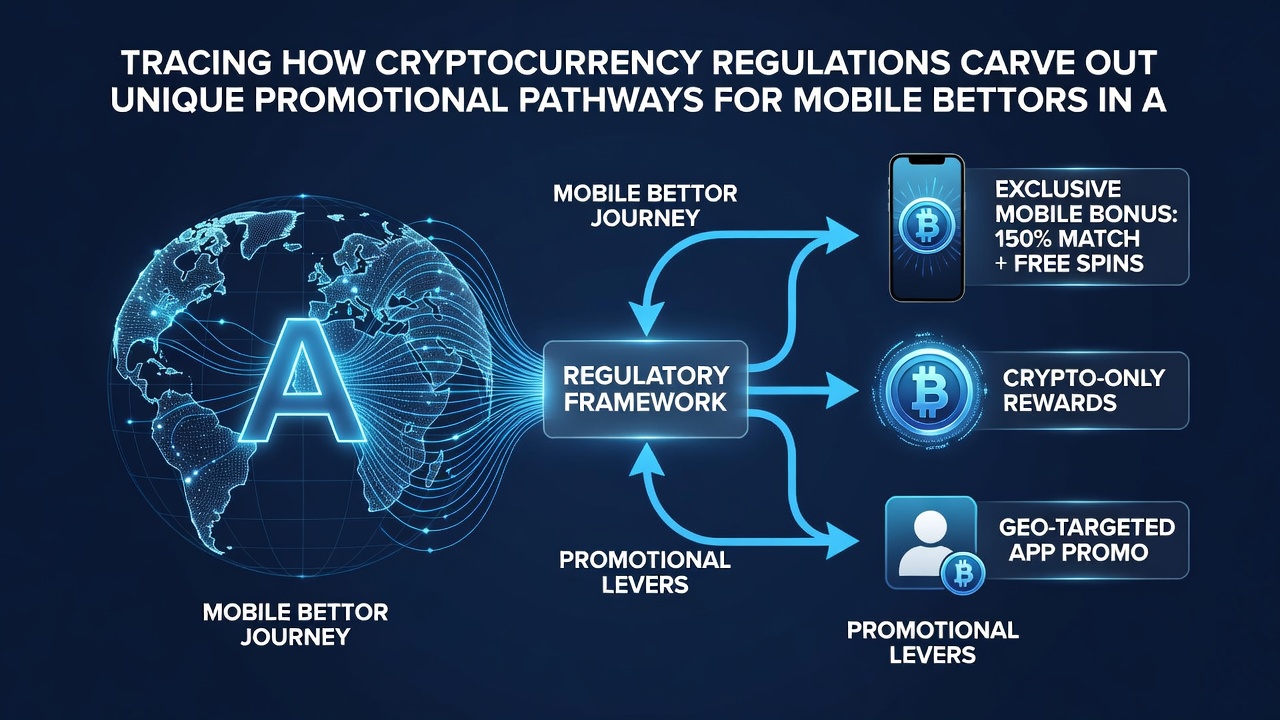
Operators translate regulatory language into app features by segmenting users according to their chosen deposit method, which permits customized reward structures without violating cross-border restrictions. For instance, a mobile platform might extend a higher percentage match on crypto deposits during specific windows, while capping equivalent fiat promotions, because the rules treat blockchain transfers as carrying lower settlement risk in approved corridors. Research from academic centers tracking gaming economics indicates that such segmentation appears in markets where statutes require proof of funds origin before any bonus can be claimed, leading platforms to embed automated verification steps that unlock unique reward tiers only for verified crypto users. Those who've examined operator filings observe that these mechanics often include expiration rules tied to crypto price volatility clauses, ensuring promotions remain compliant even when market swings affect bonus valuations.
What's interesting is how June 2026 saw several licensed entities release updated app versions that incorporated real-time compliance checks for crypto promotions, allowing bettors in sanctioned areas to access instant reward notifications once wallet confirmations cleared regulatory thresholds. This timing coincided with new guidance from oversight bodies that clarified acceptable use of decentralized finance tools within betting ecosystems, opening further avenues for operators to experiment with NFT-based loyalty badges redeemable for betting credits.
Regional Variations in Approved Markets
Approved regions demonstrate distinct patterns in how crypto rules translate to mobile incentives, reflecting differences in licensing language and enforcement priorities. In certain Canadian provinces, frameworks permit operators to bundle crypto deposits with progressive jackpot contributions that fiat users cannot access, creating promotional pathways unavailable elsewhere. Australian regulatory updates, meanwhile, emphasize consumer protection disclosures that require apps to display crypto-specific risk warnings alongside bonus terms, which has prompted operators to design streamlined opt-in flows for mobile users seeking those incentives. Figures from trade associations reveal that these regional approaches result in measurable differences in user engagement metrics, with crypto-enabled promotions showing higher retention rates in jurisdictions that streamlined approval processes for digital asset transactions.
Take one operator in a European market outside the UK that introduced a tiered cashback system based on crypto transaction frequency, a structure approved because local statutes had already established clear audit trails for blockchain activity. Similar adaptations appear in Latin American jurisdictions where mobile betting expanded alongside crypto legalization, allowing apps to promote zero-fee withdrawals funded through approved stablecoins. Those tracking these developments point to consistent themes across filings: promotions succeed when operators demonstrate that crypto pathways reduce chargeback exposure and improve traceability compared with card-based alternatives.
Operational Adjustments and Compliance Integration
Operators integrate these regulatory carve-outs by updating backend systems that flag eligible promotions based on payment provenance, ensuring mobile bettors encounter only incentives aligned with their jurisdiction's crypto stance. This involves collaboration with compliance vendors who specialize in on-chain analytics, a step that has become standard in licensing renewals during 2026. Evidence from sector reports shows reduced promotional disputes in regions where apps automatically adjust bonus eligibility once crypto verification completes, compared with markets still reliant on manual reviews. The reality is that these systems create feedback loops where user behavior data informs future regulatory submissions, allowing operators to propose expanded incentive types as transaction volumes demonstrate compliance.
Future Trajectories for Mobile Bettors
Emerging regulatory proposals suggest continued refinement of crypto pathways, with discussions underway about standardizing wallet whitelisting across borders to simplify cross-jurisdictional promotions for frequent mobile users. Industry organizations have published position papers outlining how unified standards could expand access to specialized rewards while maintaining audit integrity, though adoption timelines remain subject to legislative calendars. According to projections shared by research institutions, mobile betting volumes involving digital assets are expected to grow steadily through late 2026 as more jurisdictions finalize their frameworks, potentially leading to broader availability of crypto-linked loyalty programs.
Conclusion
The interplay between cryptocurrency regulations and mobile betting promotions continues to evolve through deliberate policy adjustments that prioritize traceability and consumer safeguards. Approved regions illustrate varied yet consistent approaches where operators leverage regulatory distinctions to deliver method-specific incentives without breaching licensing terms. As oversight bodies refine their stances, the pathways available to mobile bettors will likely expand in measured increments tied directly to compliance documentation and transaction monitoring capabilities.