Sports Betting Heavyweights DraftKings, FanDuel, and Fanatics Fuel $41 Million Super PAC Push for State Law Influence
Written by Rafael Lehmann · Apr 21, 2026

Sports Betting Heavyweights DraftKings, FanDuel, and Fanatics Fuel $41 Million Super PAC Push for State Law Influence
The Big Money Drop into Win for America
DraftKings, FanDuel, and Fanatics recently funneled $41 million into a freshly launched super PAC called Win for America, according to a Federal Election Commission filing that surfaced in mid-April 2026; this cash infusion targets state legislative races, particularly those shaping sports betting regulations amid heated debates over taxes and oversight. The move comes as these companies, dominant players in the U.S. sports wagering market, eye upcoming elections where lawmakers could tighten or loosen rules on their operations. Observers note the timing aligns perfectly with midterm cycles, since states like Georgia, Texas, and Pennsylvania grapple with bills that could impose higher taxes or stricter licensing on betting apps and sportsbooks.
What's interesting here is how the contributions break down: DraftKings led with $20 million, FanDuel chipped in $15 million, while Fanatics covered the remaining $6 million, creating a united front from industry leaders who've built empires since legal sports betting expanded nationwide. This super PAC, registered just weeks ago, positions itself to back candidates friendly to the sector, pouring resources into ads, voter outreach, and grassroots efforts that influence ballot boxes without direct coordination under federal campaign finance rules. And while super PACs like this one can accept unlimited funds from corporations and individuals, they must disclose donors quarterly, which is exactly how this $41 million tally came to light.
People who've tracked political spending in gaming know these aren't small bets; the total rivals what some entire industries drop in a cycle, signaling just how high the stakes feel for sports betting firms facing regulatory headwinds. Turns out, with states collecting billions in tax revenue from wagers, legislators increasingly push for bigger cuts, prompting companies to fight back through channels like Win for America.
Spotlight on Targeted States: Georgia, Texas, Pennsylvania
Georgia stands out first, where lawmakers have debated sports betting legalization for years without a breakthrough; recent sessions saw bills proposing 20% taxes on revenue alongside casino expansions, but opposition from social conservatives and competing interests stalled progress, leaving operators like DraftKings and FanDuel hungry for pro-betting voices in the statehouse. Now, with Win for America entering the fray, expect targeted ads highlighting job creation and revenue for schools, since data from legalized states shows sportsbooks generate millions annually—think $100 million-plus in taxes from neighbors like North Carolina after its 2024 launch.
Texas presents an even bigger prize, given its massive population and untapped market potential; although bills to legalize betting have repeatedly crashed against resistance from figures like Lt. Gov. Dan Patrick, who calls it a moral hazard, proponents point to economic boosts, with estimates pegging potential annual revenue at $5 billion if mobile betting goes live. FanDuel and others have lobbied hard, but this super PAC funding could tip close races by supporting challengers or incumbents open to compromise, especially since Texas's constitutional amendment process requires voter approval alongside legislative buy-in.
And Pennsylvania? That's where the rubber meets the road already, as one of the top sports betting states post-2018, raking in over $200 million in taxes yearly; yet recent pushes for higher holds—up to 36% on slots and table games tied to betting expansions—have operators scrambling, since DraftKings and FanDuel operate major apps there but face calls for revenue-sharing tweaks that could squeeze margins. Win for America's involvement means bolstering lawmakers who favor the status quo or lighter regulations, particularly in competitive districts where betting jobs (tens of thousands statewide) sway voters.
These states aren't random picks; they represent a mix of holdouts, battlegrounds, and established markets where tweaks to laws could unlock growth or preserve profits, and experts who've studied PAC spending see this as a classic playbook—flood districts with issue ads that frame betting as an economic engine rather than a vice.
Industry's Post-2018 Surge and Regulatory Pushback
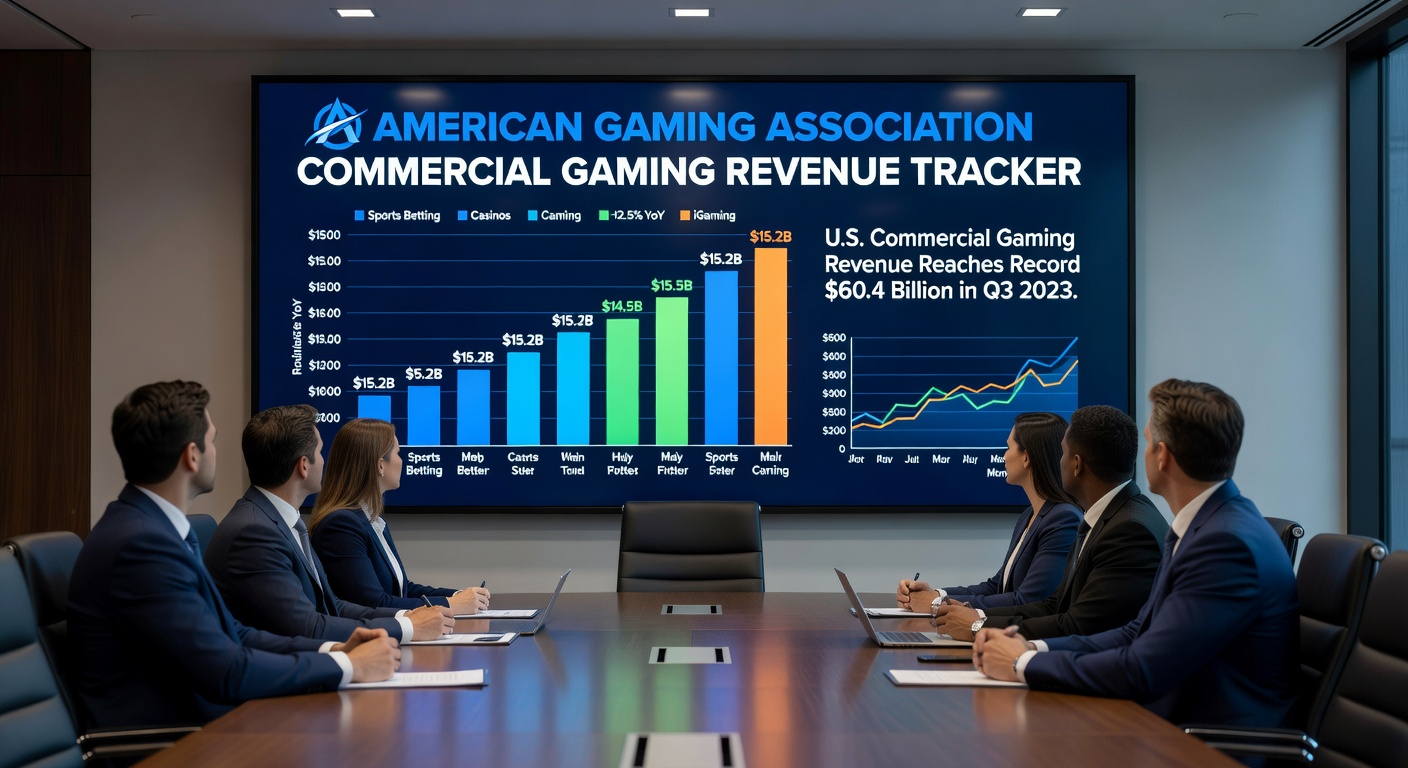
Since teh Supreme Court's 2018 Murphy v. NCAA decision struck down the federal PASPA ban, sports betting has exploded—states now host over 1,000 retail sportsbooks and 50 million-plus app users, generating $14 billion in revenue last year alone, per American Gaming Association figures; DraftKings went public, FanDuel merged with Flutter Entertainment, and Fanatics pivoted from merch to betting with aggressive expansions. But here's the thing: that rapid growth sparked backlash, with states like New York hiking taxes to 51% on mobile wagers and others imposing integrity fees or ad restrictions, squeezing operator profits amid customer acquisition costs that top $1,000 per user in some markets.
Observers point to cases like Illinois, where a 2021 tax hike from 15% to 35% prompted operators to pass costs to bettors via worse odds, or Ohio's rocky 2023 launch with multiple skin limits that fragmented the market; such examples fuel the drive for super PACs, since companies can't donate directly to state candidates but can amplify aligned causes through independent expenditures. Win for America fits this pattern, much like the Coalition for a Better Pennsylvania or similar groups that spent millions defending casino revenue shares in prior cycles.
One study from researchers at the University of Nevada highlighted how legalized betting correlates with 0.5% GDP bumps in adopting states, creating 300,000 jobs nationwide, yet public skepticism lingers—polls show 55% support overall but dips when taxes or problem gambling arise, giving ammo to critics. So companies like these three, controlling 70% market share, consolidate power through funding streams that shape narratives before votes hit.
It's noteworthy that Fanatics, newer to betting via its 2023 PointsBet acquisition, joins heavyweights who've long played this game; their combined app downloads exceed 100 million, and daily handles top $5 billion industry-wide, underscoring why $41 million feels like a calculated investment rather than a long shot.
How Super PACs Fit into Gaming Politics
Super PACs burst onto the scene post-2010 Citizens United ruling, enabling unlimited spending on elections so long as no coordination occurs with campaigns; in gaming, they've backed everything from casino referendums in Florida to horse racing subsidies in New York, often outspending opponents 10-to-1 in key races. Win for America follows suit, filing paperwork in early April 2026 with a clear mission: elect state legislators who prioritize competitive tax structures and streamlined licensing, countering pushes for monopolies or punitive rates.
Take one case from 2024 Missouri, where a gaming-backed PAC dropped $10 million to pass Amendment 2, legalizing sports betting despite narrow margins; similar tactics could play out here, with Win for America deploying data-driven targeting—think geofenced ads near stadiums or mailers to betting-heavy zip codes. And since FEC rules require transparency, future filings will reveal ad spends, vendor contracts, and additional donors, potentially drawing more industry players if early efforts gain traction.
But challenges loom: anti-gambling groups like the Family Policy Alliance already decry such spending as corrupting influences, vowing counter-campaigns that highlight addiction stats—1% of adults reportedly face severe issues, per national surveys—while states experiment with voluntary exclusions and responsible gaming funds that operators must finance.
Conclusion
This $41 million infusion from DraftKings, FanDuel, and Fanatics into Win for America marks a pivotal escalation in the sports betting industry's political playbook, zeroing in on Georgia, Texas, Pennsylvania, and beyond as April 2026 midterm prep heats up; with filings confirming the breakdown and states wrestling tax hikes amid booming revenues, the super PAC gears up to back pro-growth candidates, echoing patterns seen since the 2018 legalization wave transformed a niche into a $40 billion juggernaut. Data indicates such interventions often sway close races, potentially stabilizing regulations that let operators thrive while states pocket shares; yet as debates rage, the real test comes in voter turnout and legislative outcomes, where economic promises clash with oversight demands. Those monitoring the beat know the game's far from over—this is just the opening bet in a high-stakes hand.