Tracking Regulatory Updates That Alter Reward Systems in Smartphone Betting Platforms
Written by Olivia Krüger · Aug 2, 2026

Tracking Regulatory Updates That Alter Reward Systems in Smartphone Betting Platforms
State legislatures across the country continue to adjust rules that govern how smartphone wagering platforms structure their customer incentives, and these adjustments directly influence the types of bonuses, loyalty points, and promotional credits that operators can distribute. Observers note that many jurisdictions now require clear separation between deposit-based rewards and free-play offers, which forces app developers to redesign their onboarding flows and point accumulation mechanics. Data from industry tracking services shows that operators in regulated markets have shifted emphasis toward time-based loyalty tiers rather than instant cashback programs because new disclosure requirements make the latter harder to promote without triggering additional compliance reviews.
Key Shifts in State-Level Rules
Early 2026 saw several states introduce amendments that cap the frequency of certain bonus notifications and mandate age-verification steps before any reward can be claimed. These measures emerged after regulators identified patterns where rapid-fire push alerts encouraged repeated deposits without adequate risk warnings. In response, platforms have begun embedding reward eligibility checks directly into their geo-location systems so that users in stricter jurisdictions receive only compliant offers while those in more permissive states see a broader menu of incentives. Figures from the American Gaming Association reveal that states implementing such layered verification experienced a 12 percent drop in disputed bonus claims during the first half of the year.
Another development involves restrictions on cross-promotion between sports betting and other gaming verticals inside the same app. Lawmakers in multiple regions have required separate wallet balances for different product categories, which prevents operators from automatically converting sports wager losses into casino-style reward credits. This change has prompted several major platforms to launch modular reward engines that users can toggle based on their preferred activity, a technical adjustment that took months to roll out across different operating systems.
Impact on Loyalty Program Design
Operators have responded by emphasizing experiential rewards over direct monetary credits. Users now earn entries into sweepstakes for event tickets or merchandise instead of automatic cashback, because these structures more easily satisfy disclosure rules in states that treat monetary bonuses as conditional loans. Research compiled by academic centers studying gambling policy indicates that experiential rewards maintain engagement levels while reducing regulatory scrutiny, since they avoid the language of guaranteed returns. Platforms report that participation rates in these tiered experiences have risen steadily through spring and summer 2026.
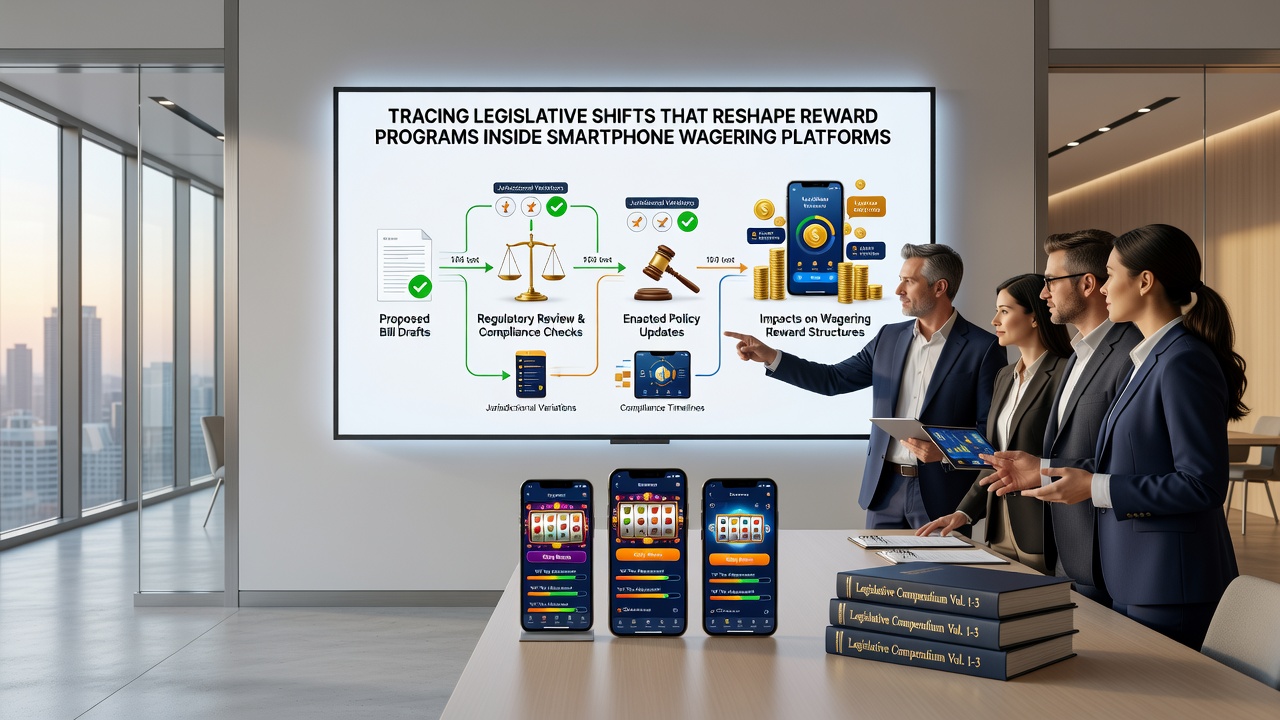
Payment method restrictions also play a growing role. Several jurisdictions now prohibit reward accrual when deposits originate from certain prepaid or cryptocurrency sources, citing concerns about transaction traceability. As a result, apps have added filters that display only eligible deposit options to users in those states, and loyalty point multipliers are automatically adjusted at the checkout stage. This dynamic customization ensures compliance without requiring separate app versions for each market.
August 2026 Developments
By August 2026, additional states are scheduled to enforce new transparency standards that require apps to display the full terms of any reward in plain language before a user can accept it. Early adopters of these standards have already begun testing simplified pop-up summaries that highlight expiration dates, wagering requirements, and eligible game types in bullet form. Observers note that these summaries have reduced customer service inquiries related to misunderstood promotions by roughly one-third in pilot markets. The changes coincide with broader efforts to standardize how operators report reward liability on their balance sheets, a move supported by accounting guidelines issued through gaming oversight bodies.
International comparisons offer further context. Canadian provincial regulators have long required clear separation between bonus funds and deposited amounts, and several U.S. states have referenced those models when drafting their own language. Meanwhile, Australian authorities have focused on limiting reward advertising during live sports broadcasts, a restriction that U.S. lawmakers have begun to echo in proposed amendments targeting in-app video features. These cross-border influences appear in updated compliance checklists that development teams now consult when expanding into new states.
Conclusion
Legislative activity continues to steer the evolution of reward programs inside smartphone wagering platforms toward greater customization and transparency. Operators that invest in flexible backend systems capable of applying jurisdiction-specific rules at the account level have maintained steady user retention even as requirements tighten. The pattern suggests that future updates will focus on real-time reporting of reward usage rather than outright bans, allowing platforms to adapt without eliminating incentives entirely. As more states finalize their frameworks by the end of 2026, the industry expects further refinement of these modular approaches rather than wholesale redesigns.