Verification Protocols and Tax Regulations Combine to Shape Tiered Incentives on Licensed Digital Wagering Platforms
Written by Otto Simmons · Aug 25, 2026
Verification Protocols and Tax Regulations Combine to Shape Tiered Incentives on Licensed Digital Wagering Platforms
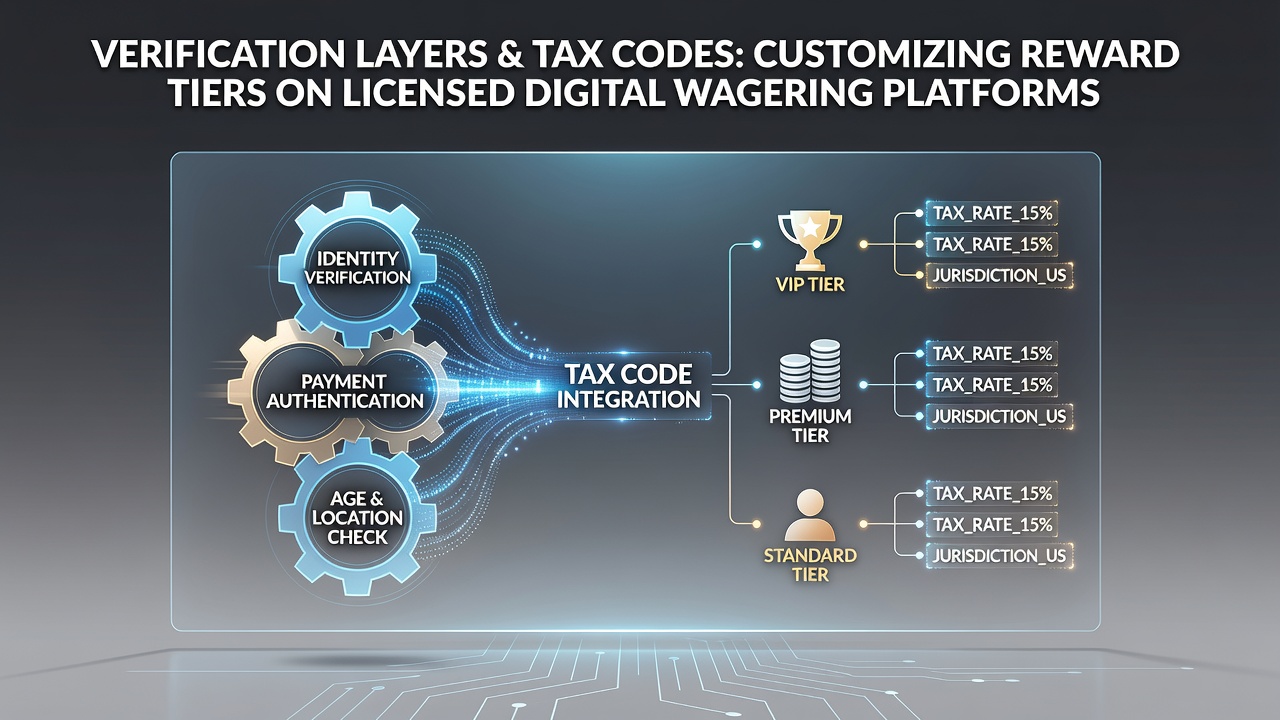
Verification layers on licensed digital wagering platforms operate through multiple stages of identity confirmation, address validation, and financial screening, while tax codes in various jurisdictions impose reporting thresholds and deduction rules that directly influence how operators structure reward tiers. Platforms adjust bonus eligibility, loyalty point accumulation, and cashback percentages according to the depth of verification a user completes and the tax obligations that apply to those rewards in a given region. Data from regulatory filings indicate that operators in states with strict income reporting requirements often cap promotional values for partially verified accounts to avoid triggering additional tax documentation burdens.
Layered Identity Checks Drive Reward Access Levels
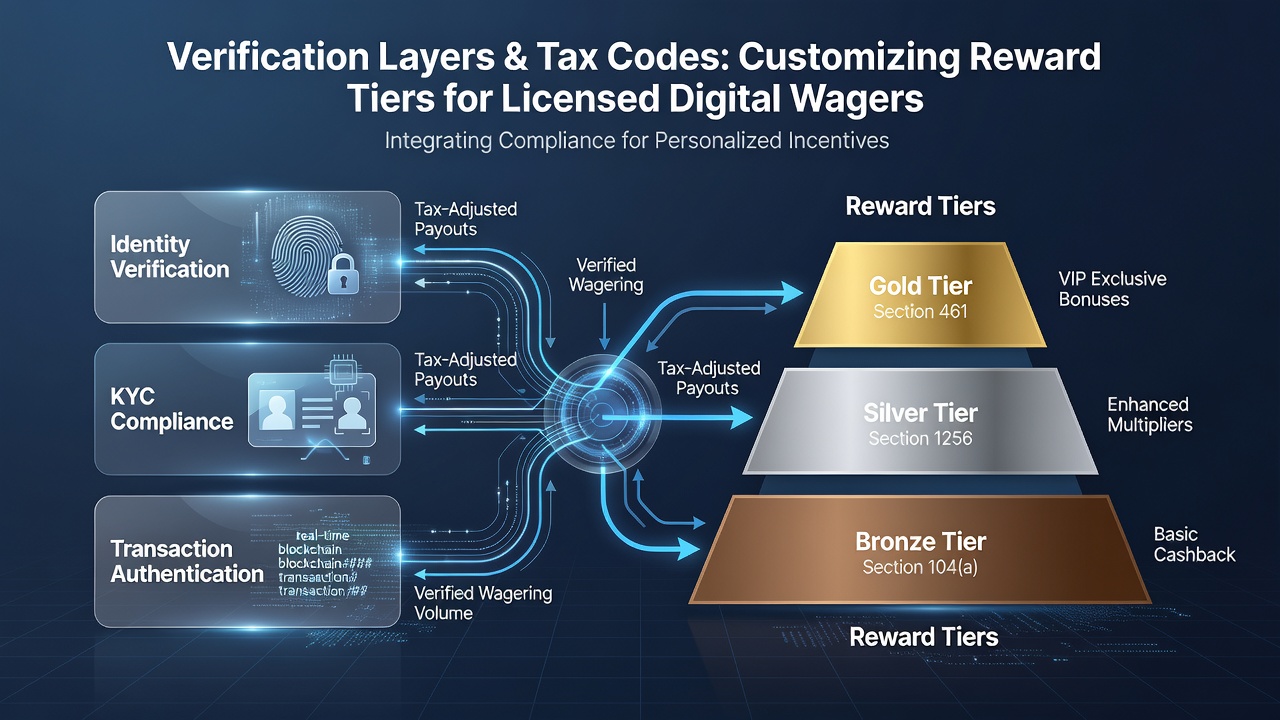
Operators deploy sequential verification steps that begin with basic account registration and progress to document uploads, biometric scans, and third-party database cross-checks. Each completed layer unlocks higher reward tiers because platforms must ensure compliance with anti-money laundering statutes before distributing larger incentives. Research from industry monitoring groups shows that accounts reaching full verification status receive access to tiered cashback programs offering between 5 and 15 percent returns on losses, whereas basic accounts remain limited to fixed deposit match offers capped at lower amounts. These distinctions arise because tax authorities require detailed user identification before large promotional sums can be classified as non-taxable marketing expenses rather than taxable winnings.
Tax Code Variations Force Platform Customization of Bonus Structures
Federal and state tax codes treat promotional credits differently depending on whether they convert into cash winnings or remain as play credits, which leads platforms to create region-specific reward menus. In jurisdictions where bonuses are subject to immediate income reporting, operators reduce the maximum value of welcome offers and instead emphasize ongoing loyalty programs that spread rewards across multiple sessions. Figures released by the Internal Revenue Service demonstrate that promotional redemptions exceeding $600 trigger Form 1099 filings, prompting many platforms to segment their tier systems so that users must complete additional verification steps before crossing that threshold. Platforms in multi-state markets therefore maintain separate reward catalogs that automatically adjust based on the user's registered location and verified tax status.
Interplay Between Verification Depth and Tax Reporting Thresholds
Operators integrate verification data directly into their backend systems so that reward tier algorithms factor in both the completeness of user documentation and the applicable tax withholding rules. When a user completes advanced verification that includes source-of-funds declarations, platforms can offer higher deposit match percentages because the enhanced documentation satisfies tax authorities that the rewards qualify as legitimate business expenses. Observers note that platforms operating across several states often route users through additional verification prompts when their accumulated rewards approach reporting limits, which prevents automatic tax filings from disrupting user experience. This integration creates dynamic tier boundaries that shift according to both regulatory updates and individual account verification progress.
Regional Examples Illustrate Customized Tier Implementation
One platform serving users across multiple jurisdictions applies a tiered system where users verified through state-approved identity providers gain access to premium cashback rates that are unavailable to those verified only through basic email confirmation. Tax regulations in certain areas require operators to withhold portions of larger bonuses, which leads the platform to present these higher tiers exclusively to fully documented accounts so that users understand the net amounts they will receive. Studies from academic research centers examining gambling economics have documented how these verification-linked tiers help operators maintain compliance while still competing for user engagement through differentiated reward structures.
August 2026 Regulatory Updates Prompt Further Adjustments
Recent guidance issued in August 2026 clarified reporting requirements for digital wagering promotions in several states, causing operators to recalibrate reward tier thresholds to align with new documentation standards. Platforms responded by introducing verification checkpoints that users must complete before advancing to tiers offering larger cumulative rewards, thereby ensuring that tax filings remain accurate and timely. These adjustments appear in updated terms of service documents that explain how verification status determines both reward availability and any associated tax obligations.
Conclusion
Verification layers and tax codes continue to intersect in ways that require licensed digital wagering platforms to maintain flexible reward tier systems capable of adapting to both user documentation status and evolving fiscal rules across jurisdictions. The resulting structures allow operators to distribute incentives while satisfying regulatory demands for accurate reporting and user identification. As tax authorities refine their treatment of promotional rewards and verification technologies advance, platforms will likely introduce additional customization layers that further connect identity confirmation processes with tax compliance requirements.